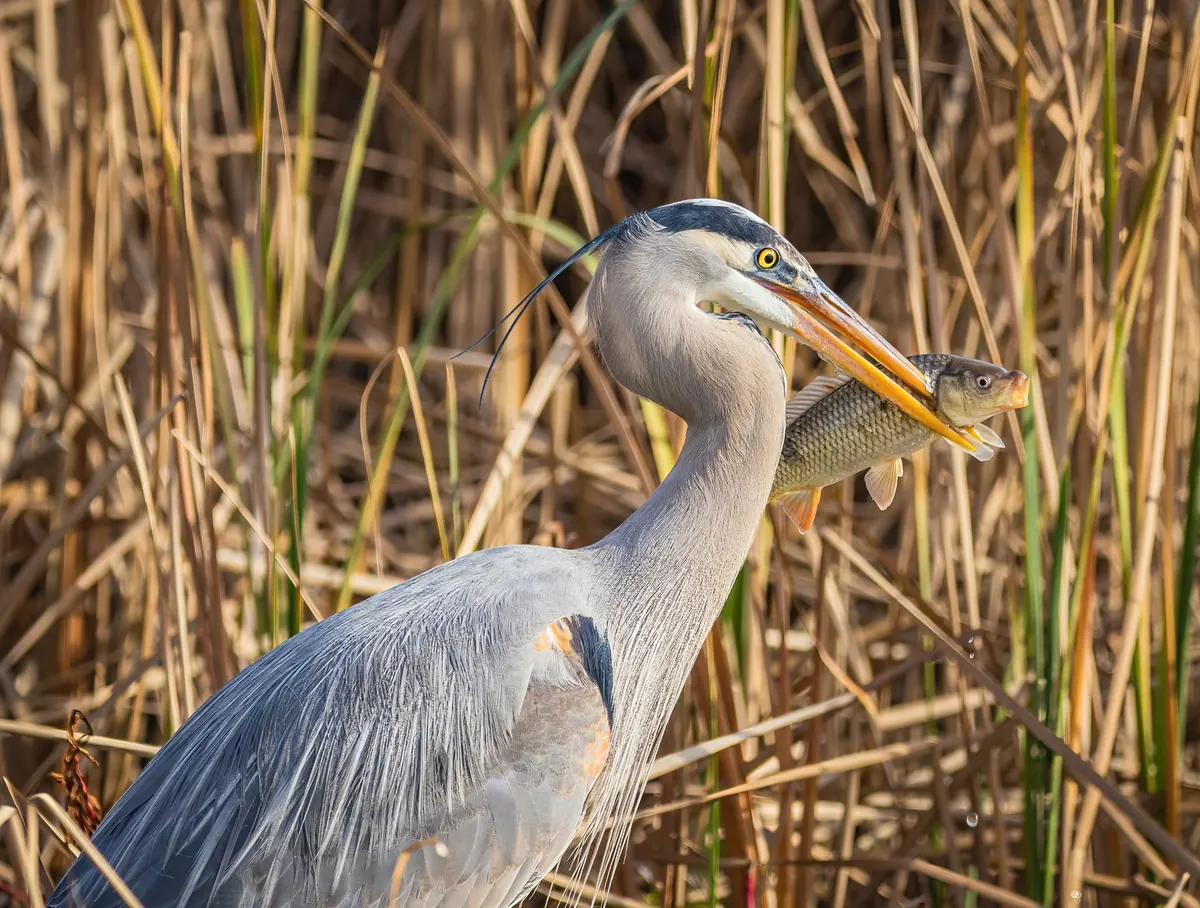
A heron standing motionless at the edge of a pond is doing more than waiting for lunch. It is taking a reading of the whole wetland — the depth of the water, the state of the bank, the abundance of fish and frogs, the level of disturbance, and whether something upstream has gone wrong. That is why ecologists treat herons as indicator species: birds whose presence, numbers and breeding success say something useful about the habitat they depend on.
Herons belong to the family Ardeidae, a group of long-legged, long-necked wading birds found on every continent except Antarctica. In Britain, the grey heron is the familiar one — that hunched silhouette on a riverbank, a canal towpath or the corner of a garden pond. Alongside it we now have little egrets, increasingly regular great white egrets, and the bittern, a reedbed specialist that is far more secretive and far more particular about where it lives.
Their bodies are a study in patience. Long toes spread their weight so they can stand in soft mud without sinking. The neck folds into a tight S-shape and then straightens explosively, driving a dagger of a bill into the water. Most hunting is done by standing and waiting, or by a slow, deliberate stalk, with the bird watching for movement and often striking at prey it has located by touch as much as by sight.
Grey herons are generalists. Fish dominate, but the list also takes in frogs and toads, newts, water voles and other small mammals, insects, crustaceans, and the occasional young bird. That flexibility is useful: when one prey type crashes, a heron can switch. Bitterns are the opposite — heavily reliant on fish and amphibians in reedbed channels — which makes them a sharper but narrower indicator of a very specific habitat.
A heron feeds in water and nests on land. Grey herons typically build their untidy platforms of sticks high in trees, sometimes in reedbeds or on cliffs, often in loose colonies known as heronries. That split life is what makes them ecological connectors rather than simply aquatic birds.
Feeding happens in the shallow, productive margins where young fish, tadpoles and invertebrates concentrate. On a large lake, a few herons barely register. On a small pond or a short stretch of stream, they can take a meaningful share of what is there. Prey species respond too: amphibians and small fish tend to use cover more heavily where herons hunt, which shapes how the whole community is distributed across a site.
Herons are also prey. Eggs and chicks are taken by foxes, crows and other corvids, and in some parts of the country by pine martens. Adults are vulnerable mainly when injured or unwell. A heron sits in the middle of the food web, not above it.
Not every bird tells you much about habitat condition. Herons do, for several practical reasons:
Heronries in Britain have been counted for a very long time, making the grey heron one of the best-documented birds in the country. Because the counts are repeated in the same places, a run of poor years or a slow decline stands out from ordinary variation. A colony that shrinks or disappears usually points to something in the surrounding feeding area: fewer fish, less shallow water, more disturbance, or a change in land use nearby.
Herons in Britain nest early, sometimes from February, which means they are exposed to the worst of the weather. Cold snaps, heavy rain and spring flooding can destroy clutches or starve chicks. Counting young birds that reach fledging gives a direct measure of whether the site is actually producing new herons, not just attracting adults.
Because they eat a lot of fish, herons can pick up problems that originate far from where they are seen. Warm summers with low oxygen levels can trigger fish kills, and the disease outbreaks that sometimes follow can affect birds feeding on the carcasses. Algal blooms, pollution incidents and sewage discharges all show up first in the water and then in the animals that depend on it.
Herons move material between habitats. A heronry in a wood receives a steady input of droppings and dropped fish, which enriches the soil beneath the nests and can change what grows there. In effect, nutrients taken from the water end up on land, sometimes in quite concentrated patches.
Individual birds also connect separate wetlands. Herons will commute several kilometres between a roost, a nesting wood and a chain of ponds, and they turn up at isolated pools, flooded fields and gravel pits that have no direct water connection to anything else. Those movements matter for the ecology of small sites, which would otherwise be far more isolated than they look on a map.
You do not need a licence, a hide or expensive kit to make your heron observations useful. Consistency is what counts.
One caution: herons are sensitive at the nest. Keep well back from heronries between late winter and midsummer, use binoculars rather than your feet, and keep dogs away from the water's edge. If you have a garden pond, expect herons and plan for them — a steep-sided deep section or an overhanging ledge gives fish somewhere to retreat, which is a fairer solution than trying to scare the bird off.
Watch a heron for an hour and you learn about one bird. Watch the same stretch of water for a few years and you start to see what the herons are telling you about the place itself.
Photo: Robert So / Pexels
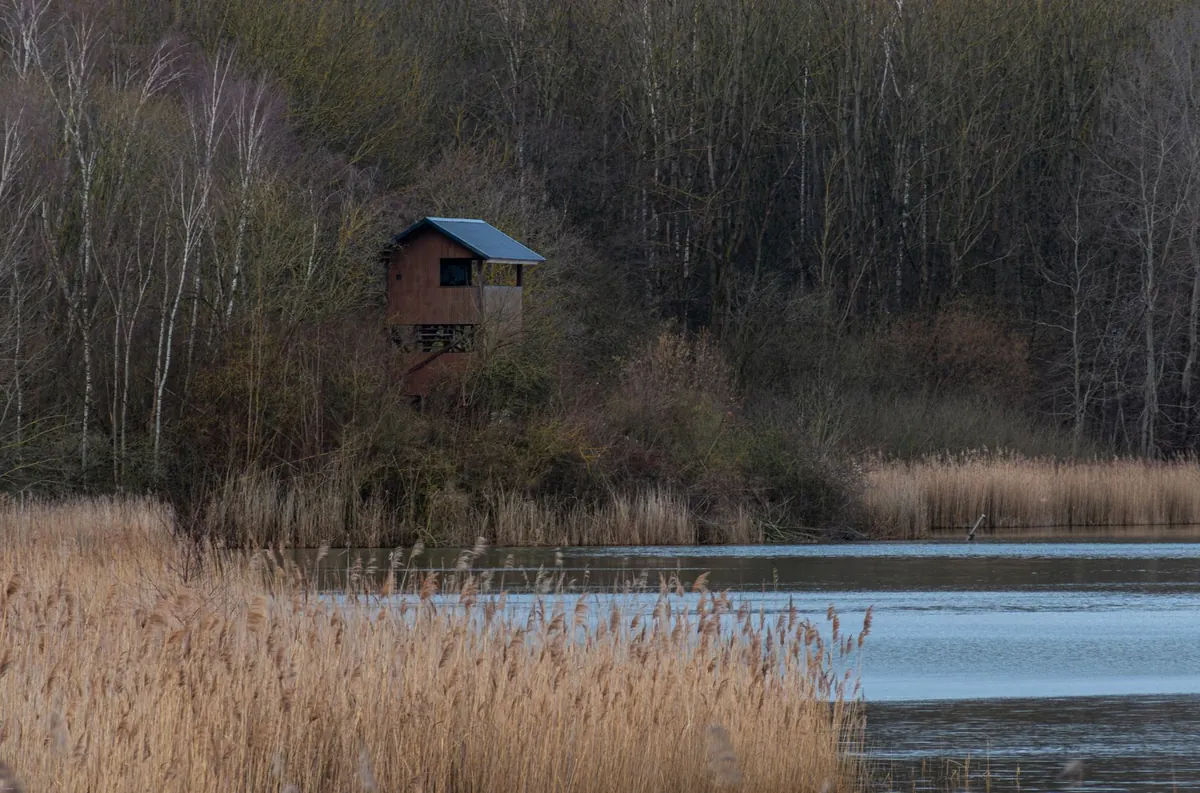
A practical, ethics-first guide to ten UK wetlands where grey herons, little egrets and bitterns can be watched...

A practical, standardised checklist for recording heron behaviour — from foraging strikes to dusk roost counts — so...
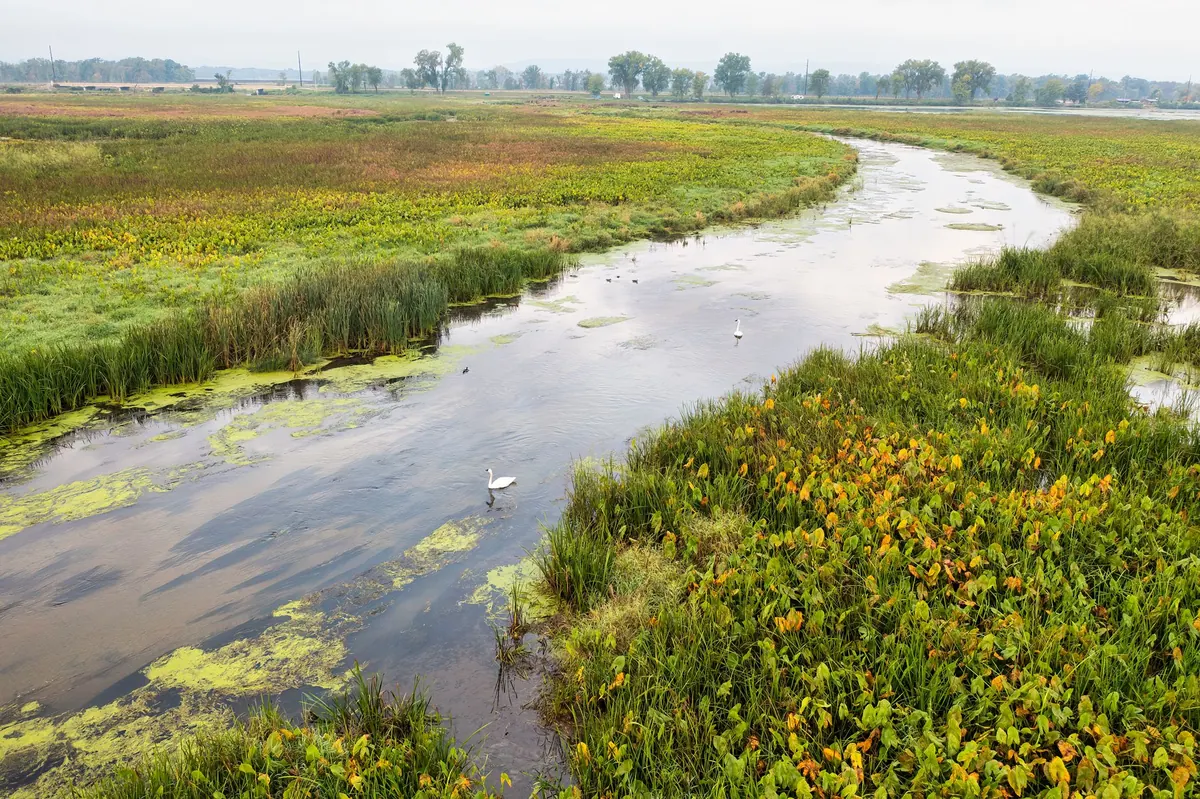
Restored wetlands across the UK reveal what long-term heron counts can show — where conservation is working, where...
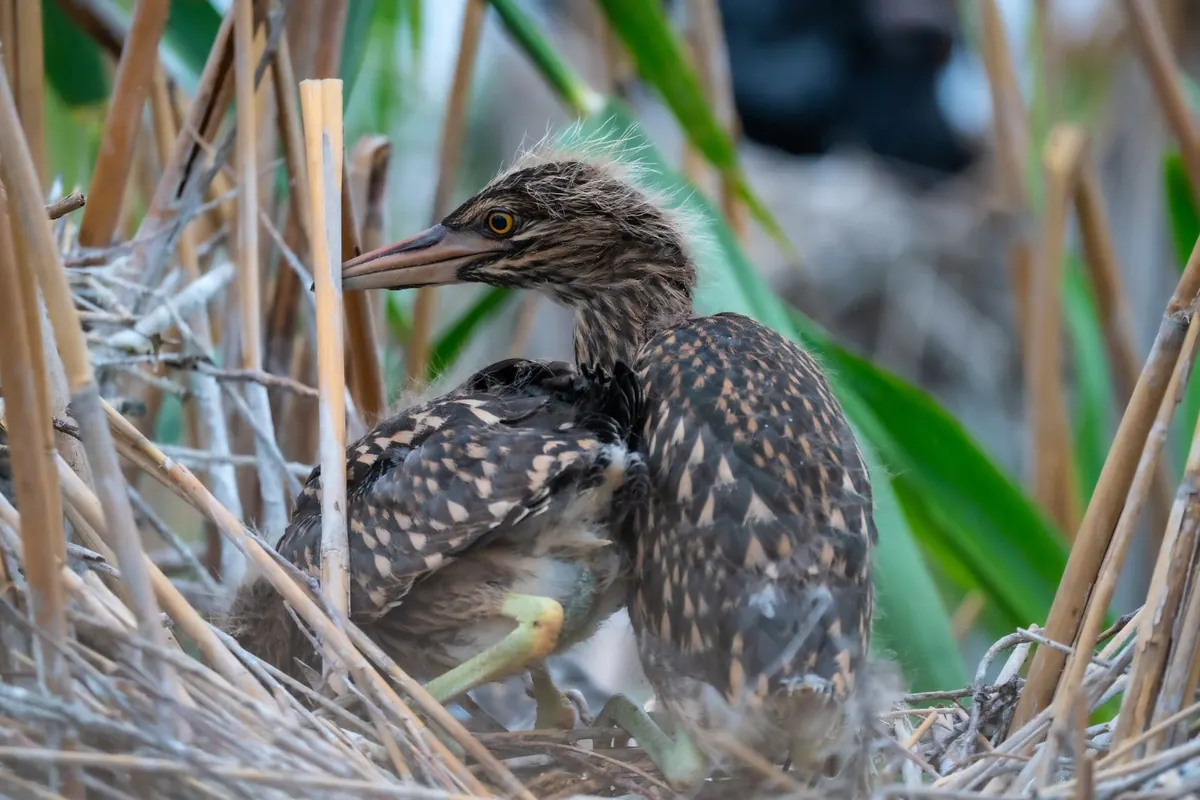

Exploring herons, wetlands, and wild science..
