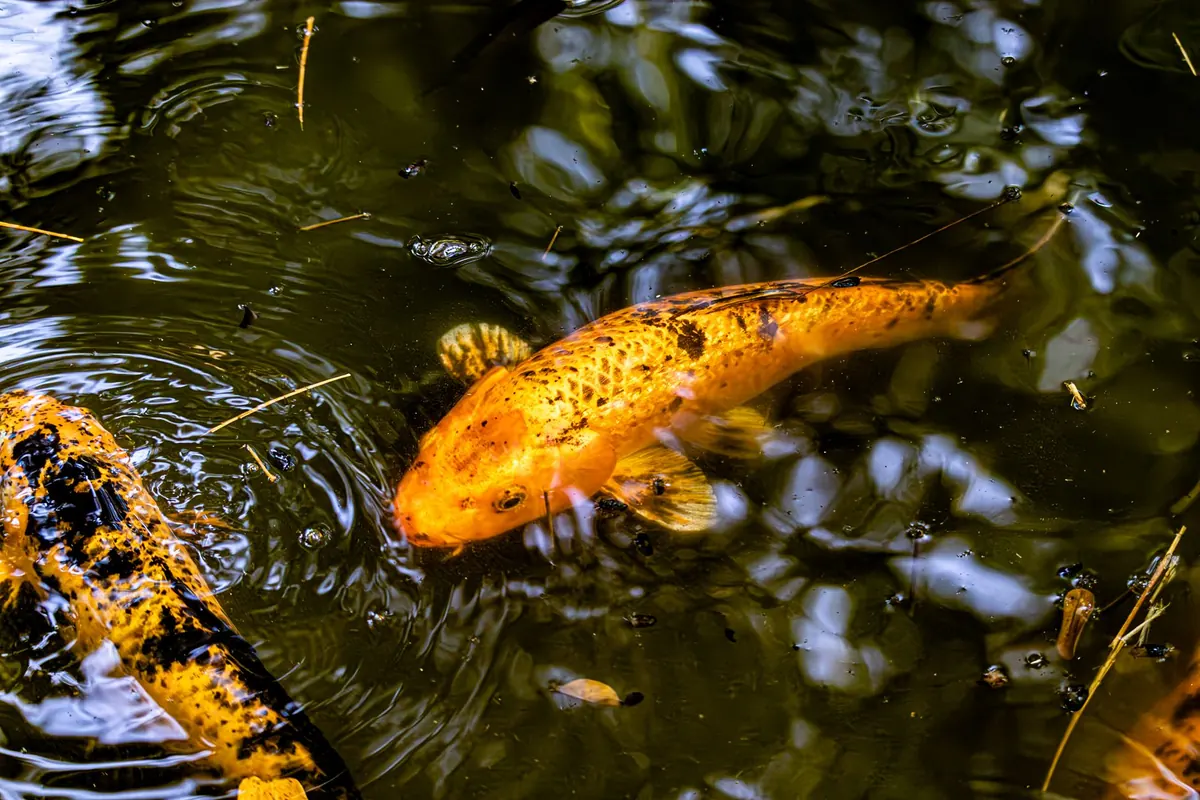
A pond earns its keep. Even a modest one — three metres across, tucked behind a shed — will pull in birds that would otherwise pass your patch by. Grey herons, moorhens, mallards and, if you are lucky, snipe and little egrets all respond to the same offer: shallow water, muddy edges and enough cover to feel safe. The trick is designing it so the heron gets what it needs without turning your frogs into a short-lived buffet.
Herons are ambush hunters, not swimmers. They want water they can wade through — roughly 10–25cm deep — with a clear view of what is moving beneath. A steep-sided pond with a vertical liner is close to useless to them: they cannot stand in it, and they cannot see into it.
The classic wildlife pond profile suits them perfectly:
Treat the pond as one part of a wetland. A damp hollow, a shallow scrape or a patch of soft rush beside it will bring in more species than the water alone.
Half a day of sun and half a day of shade suits most ponds. Full sun encourages algae; deep shade means a bottom you will never see. Put it somewhere you can watch from a window — a heron arriving at dawn is half the point.
Butyl rubber is the straightforward liner; bentonite or puddled clay suits larger, more naturalistic projects. Protect any liner with sand and underlay, and cover the visible edges with soil, turf or gravel. A bare black rim looks wrong and bakes in summer.
Fill from a water butt where you can. Rainwater is soft and free of the chlorine and chloramine that tap water carries. If you must use tap water, fill slowly and give the pond a fortnight before expecting much.
No pump, no filter, no fountain. Still water is what wildlife wants. A small solar pump for gentle movement during a heatwave is fine, but a wildlife pond is not a water feature.
Plant in layers, and plant generously. Aim for roughly half the surface to be covered by foliage by midsummer; more cover means less algae and more places for tadpoles to hide.
Avoid non-natives such as Australian swamp stonecrop and water fern. They spread quickly, smother everything and are hard to remove. Leave the margins long, at least in part: a neatly strimmed edge is the opposite of what amphibians need, and the damp tussocks behind a pond are where frogs sit out the winter.
If you want amphibians, do not stock fish. Anything large enough to notice a tadpole will eat tadpoles, and in a small pond it will eat nearly all of them. Frogs and newts evolved alongside fish in big waters where there was always somewhere to hide; a garden pond offers no such escape.
A fishless pond is also a pond a heron may find less interesting. Grey herons will happily take frogs, newts, dragonfly larvae and large insects, and they will visit a fishless pond for years. If you want the bird to linger and hunt, a few small native fish — sticklebacks or minnows — in a well-planted pond of decent size can coexist with amphibians. Do not feed them, and do not overstock.
Skip goldfish and koi. They root up plants, cloud the water and outgrow a wildlife pond quickly.
Never net a pond to keep herons out. A heron taking a fish is doing exactly what you built the pond for. If you keep ornamental fish, give them a separate, deeper pond, and accept that it may need protecting.
Herons are rarely the main threat to garden amphibians. Steep sides, spring clean-outs and dry summers do far more damage. A few simple measures let both thrive.
Mark the shape with a hose and look at it from an upstairs window before you dig.
If there are small children in the household, they will need supervising around any water, whatever the profile of the pond — plan the position with that in mind.
Expect little in the first season. By the second summer the shelf will be busy with damselflies and tadpoles, and the first grey heron will probably find it before you have finished your tea.
Photo: Aimbere Elorza / Pexels
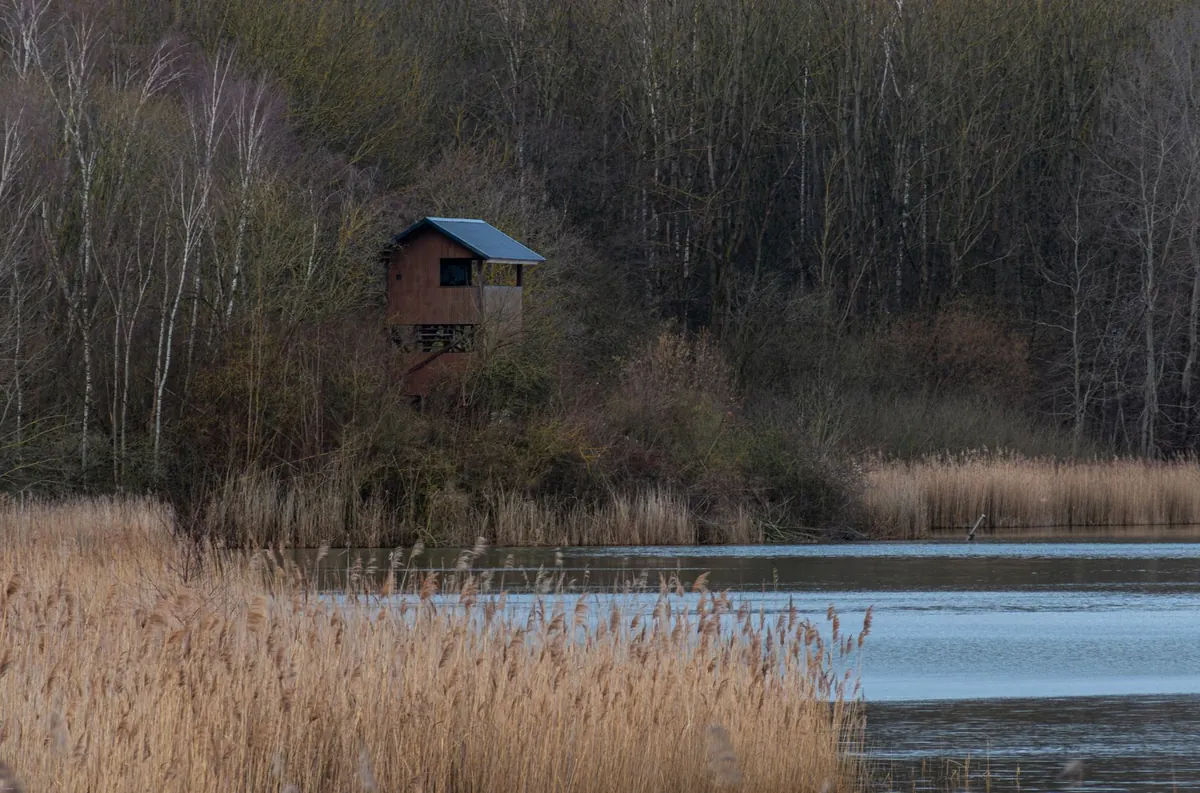
A practical, ethics-first guide to ten UK wetlands where grey herons, little egrets and bitterns can be watched...

A practical, standardised checklist for recording heron behaviour — from foraging strikes to dusk roost counts — so...
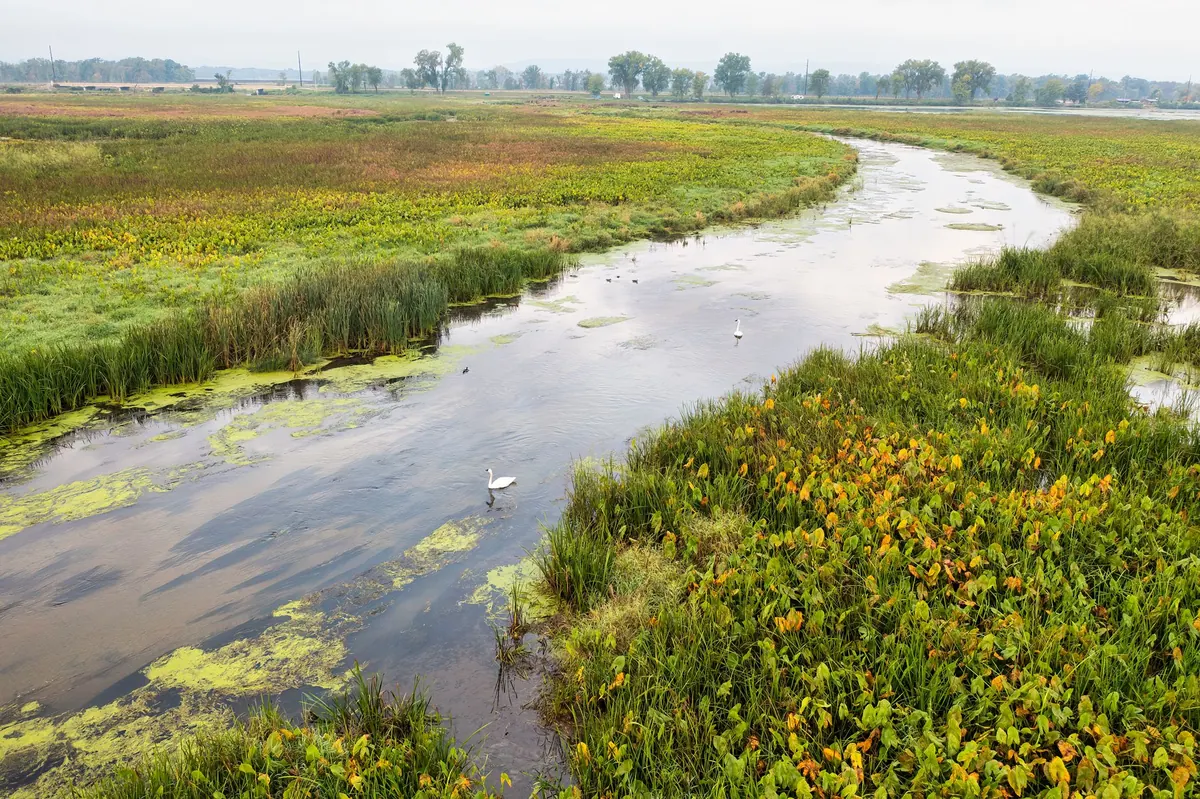
Restored wetlands across the UK reveal what long-term heron counts can show — where conservation is working, where...
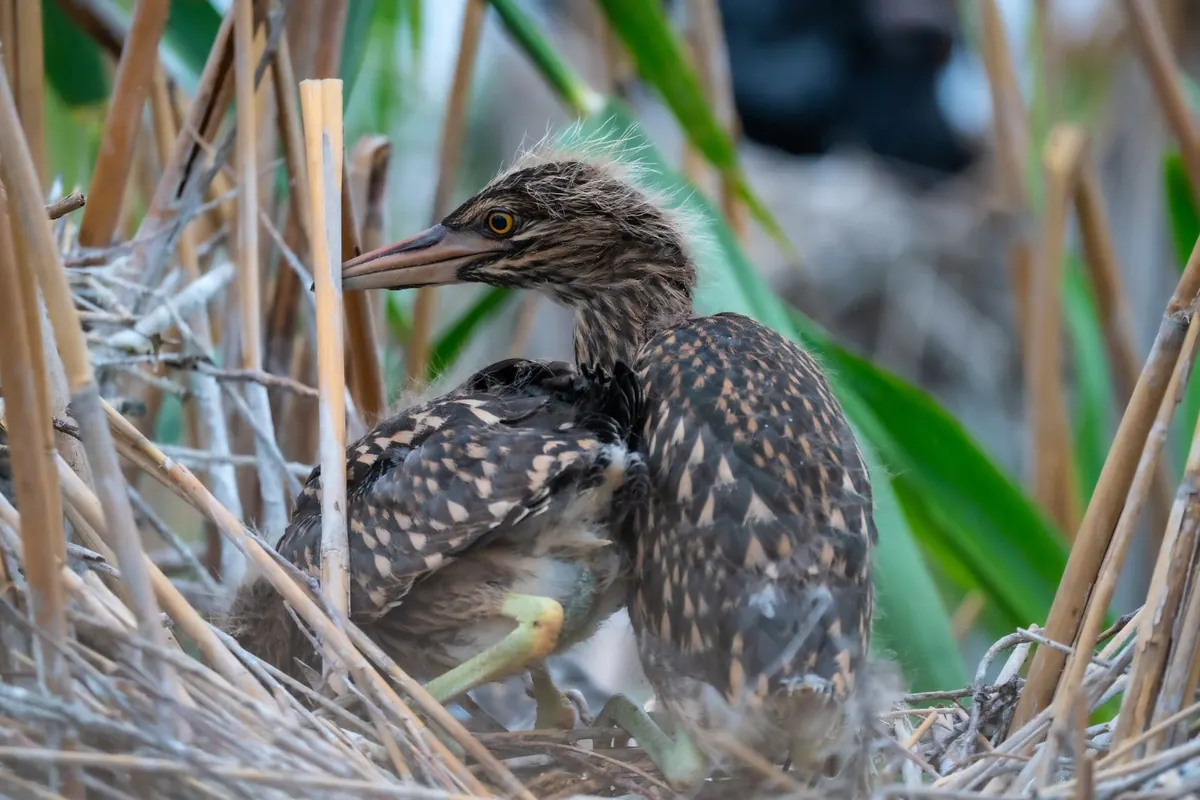

Exploring herons, wetlands, and wild science..
