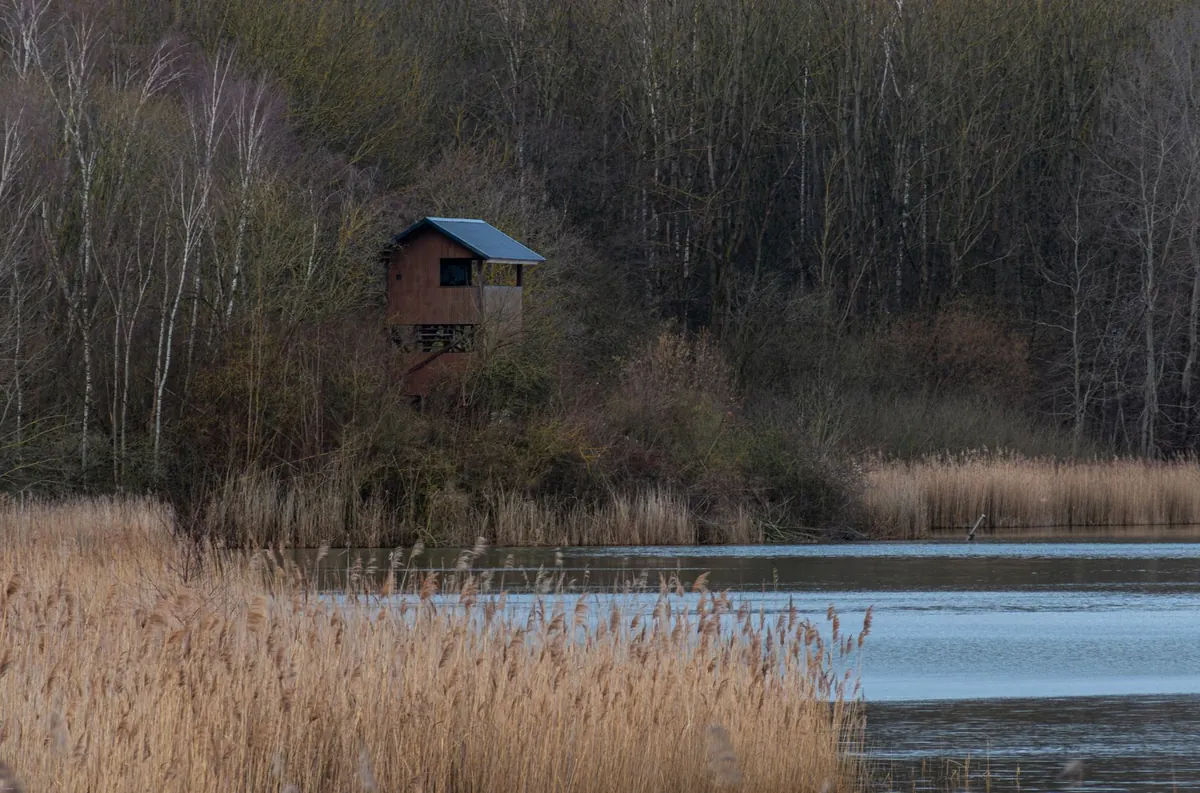
A grey heron can look like part of the scenery until it moves: that slow, deliberate lift of one leg, the neck coiled and ready. Then the head goes down and the water erupts. Watching that happen at close range is one of the quiet pleasures of British birding, and it is possible at dozens of wetlands around the country. What matters is doing it well — arriving at the right time, standing in the right place, and leaving the birds no worse off for your visit.
Herons are forgiving compared with many species, but they are still large birds that need undisturbed feeding and nesting space. A few habits make the difference between a good sighting and a flushed bird.
These are established reserves with hides, paths and sensible access. Conditions change, so check opening details before travelling.
Grey herons nest early, often before the trees have leafed. That makes heronries visible, but it also makes them vulnerable. Watch from a distance, ideally from a public viewpoint, and never walk beneath a nest tree. Dawn is the busiest time, with birds flying in and out and occasional squabbles over sticks.
Lower water levels concentrate fish, and juvenile herons often stand in the open, learning the trade. This is the easiest season for photography from a hide, though heat haze can soften long-distance views. Little egrets are most obvious now, bright white against dark margins.
Young birds disperse, so odd herons turn up almost anywhere with water. On estuaries, watch the tide rather than the clock. In reedbeds, bitterns become a real possibility during cold spells, though they demand patience: a flight at dusk or a brief view at the edge of the reeds may be all you get.
Most problems come from good intentions. Approaching a heron for a closer picture pushes it off a feeding spot it may have chosen after an hour of waiting. Cutting across a reedbed to get a better angle can flush birds you never saw. Feeding bread to waterbirds is poor nutrition and draws rats and gulls, which then predate nests.
Keep well back from active nests — 50 metres or more is a sensible rule of thumb — and avoid playback of calls during the breeding season. If a bird stares at you, stops feeding or lifts its wings, you are too close. Back off slowly and use the hide.
Pick one site rather than trying to tick several in a day. Check the reserve's own pages for opening times and any seasonal path closures, and note where the nearest hide sits in relation to the light: morning sun behind you is worth more than any lens. Take a flask, a notebook and a spare layer.
Log what you see with your county bird recorder or a national recording scheme; heron counts from ordinary visits help build a picture of how these birds are faring. Then go home quietly, leaving the reedbed as you found it. The heron will still be there next time.
Photo: ArWeltAtty Attila / Pexels

A practical, standardised checklist for recording heron behaviour — from foraging strikes to dusk roost counts — so...
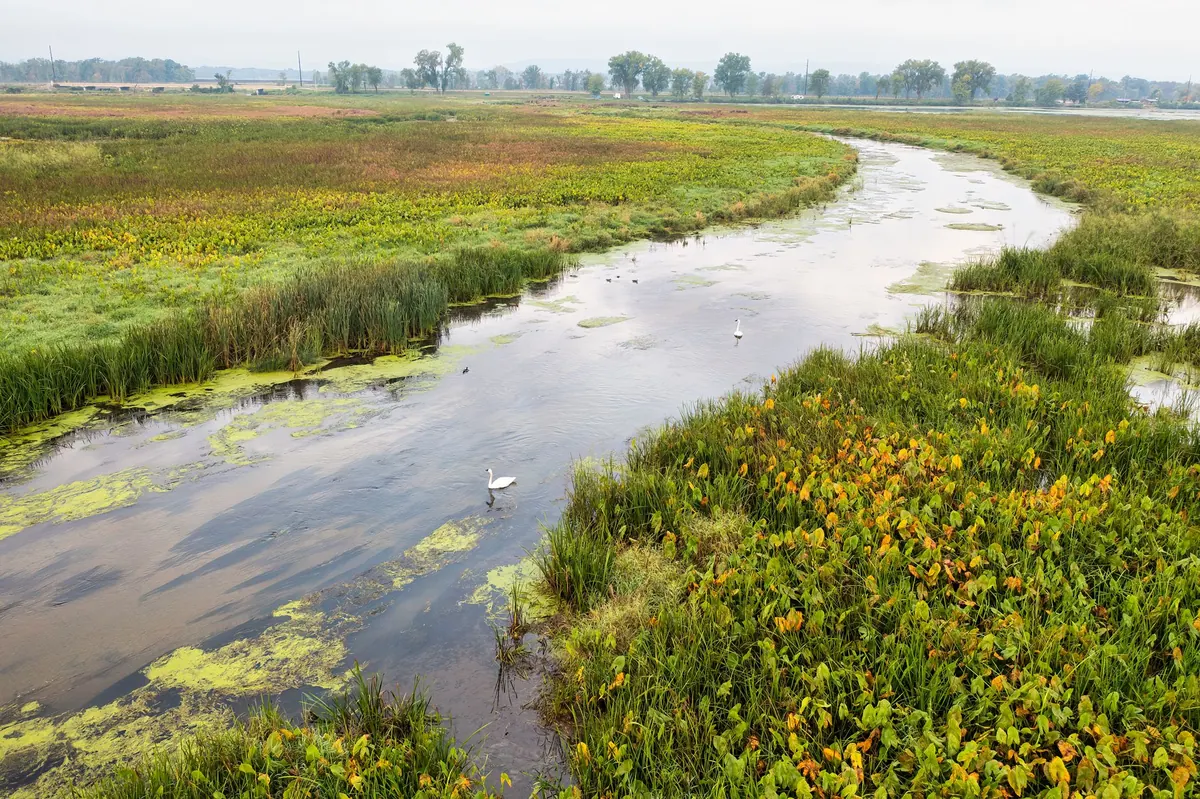
Restored wetlands across the UK reveal what long-term heron counts can show — where conservation is working, where...
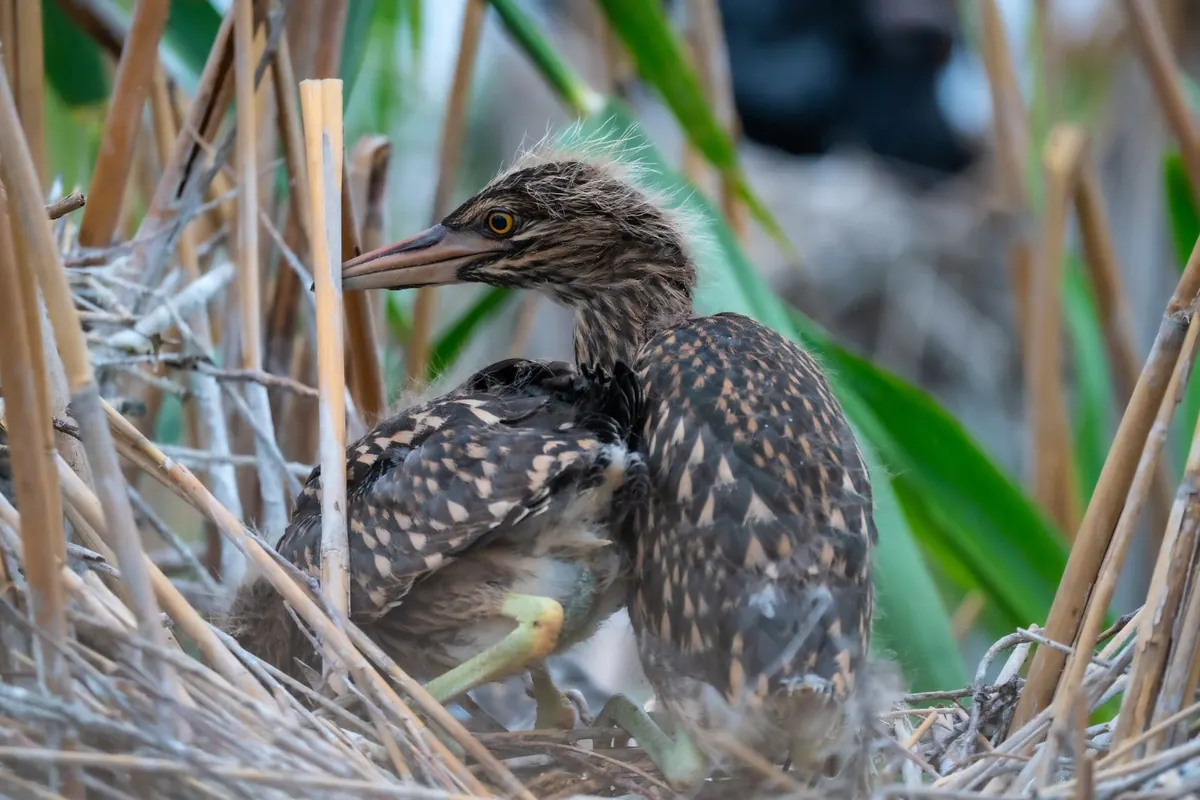
Both herons and rooks nest in noisy tree colonies, but the clues are easy to read once you know what to look for....

Exploring herons, wetlands, and wild science..
