
A grey heron can stand at the edge of a pond for half an hour and appear to do nothing at all. The easy note is "feeding". That single word hides the interesting part: whether the bird was stalking, resting between attempts, or simply waiting for a fish to come back into range. If your records are going to be useful to anyone else, that distinction needs to be captured.
What follows is a standardised checklist for recording heron behaviour. It is designed so that a handful of volunteers watching different sites — or the same site on different days — produce notes that can be compared and pooled. It suits grey herons best, but the same framework works for little egrets, great white egrets and, with patience, bitterns.
Most weak records fail at the top of the page, not in the detail. Before you start watching, fix the information that tells a future reader whether your session is comparable with theirs.
Add a one-line note on disturbance, too: dogs, walkers, anglers, dredging. Herons respond to people long before they respond to weather, and a session with three interruptions is not the same as a quiet one.
An ethogram is simply a list of behaviours with definitions. Eight clear categories are worth more than thirty vague ones, because you will actually use them. A workable set for herons looks like this.
Record what the bird does, not what you think it is trying to do.
Write your own definitions at the top of your notebook and keep them. If you cannot tell whether a strike ended in a capture, write "outcome unclear" rather than guessing. A record with gaps is more useful than one with inventions.
Two methods cover most volunteer recording. Focal sampling means following one bird for a set period — five minutes is a sensible block — and noting every change of behaviour. Scan sampling means looking across the whole visible group at fixed intervals, say every 60 seconds, and recording what each bird is doing at that instant. Both produce tidy data; mixing them mid-session does not.
Whatever you choose, write the clock time for each entry rather than a duration estimated afterwards. Times are easy to check and hard to argue with. If you are watching a bird you cannot keep in view, end the sample and start a new one rather than filling the gap from memory.
Note the posture before a strike: neck coiled, body leaned forward, one foot lifted. Record where the bird was feeding — shallow margin, open water, grass, mud — because that is often the most interesting variable across a season. A heron hunting in a few centimetres of water at the edge of a pool is doing something quite different from one standing belly-deep in a lake.
Only count a strike as successful if you saw the prey in the bill or saw the bird swallow. Everything else goes down as unsuccessful or unclear. Over a winter, a set of honest "unclear" entries is far more valuable than a tidy but optimistic success rate.
Heron roosts are easiest to count in the hour before dark, particularly in winter when birds gather in trees, on islands or along a sheltered bank. Arrive early enough to watch birds come in rather than to find them already settled — about 45 minutes before sunset is a reasonable start.
Count in blocks of ten, note the direction each bird arrived from, and be strict about what counts. A heron flying over a wood is not necessarily going to roost in it. Fixed landmarks help: pick a line across the site and count only birds that cross it heading inwards.
Keep your distance from nests and roosts. All wild birds, their nests and eggs are protected in the UK, and a careful observer at 50 metres will learn more than a close one who flushes the bird.
Pick one site and one 30-minute slot, ideally at the same tide or time of day each visit. Fill in the header, then run focal samples on the first bird you can watch clearly; if no bird is close enough, run scans instead. Ten minutes of structured watching at the same place each week will teach you more than an afternoon of wandering, and it builds a series that a county recorder or an online recording scheme can actually use.
Date each page, file it somewhere retrievable, and review a month at a time. Patterns emerge slowly with herons — a shift in feeding depth as water levels drop, birds arriving earlier as the evenings lengthen — and they only show up if the method stayed the same while the behaviour changed.
Photo: Amar Preciado / Pexels
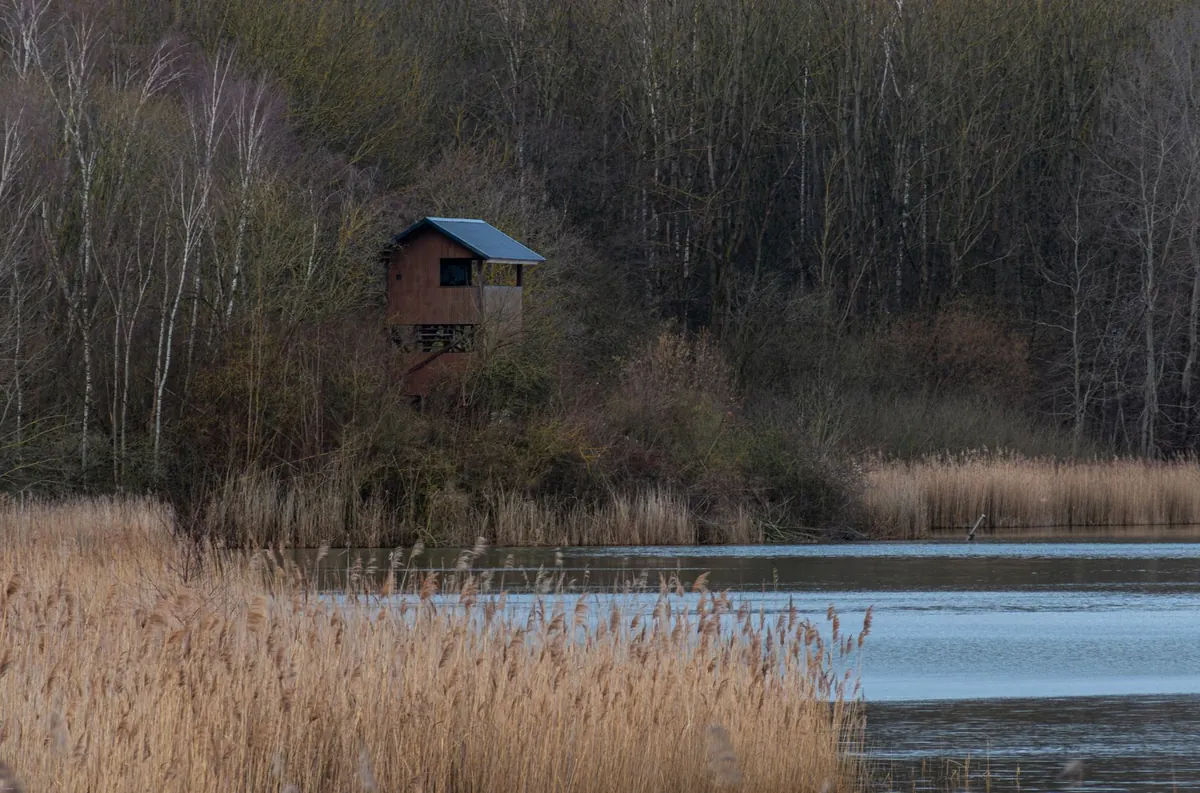
A practical, ethics-first guide to ten UK wetlands where grey herons, little egrets and bitterns can be watched...
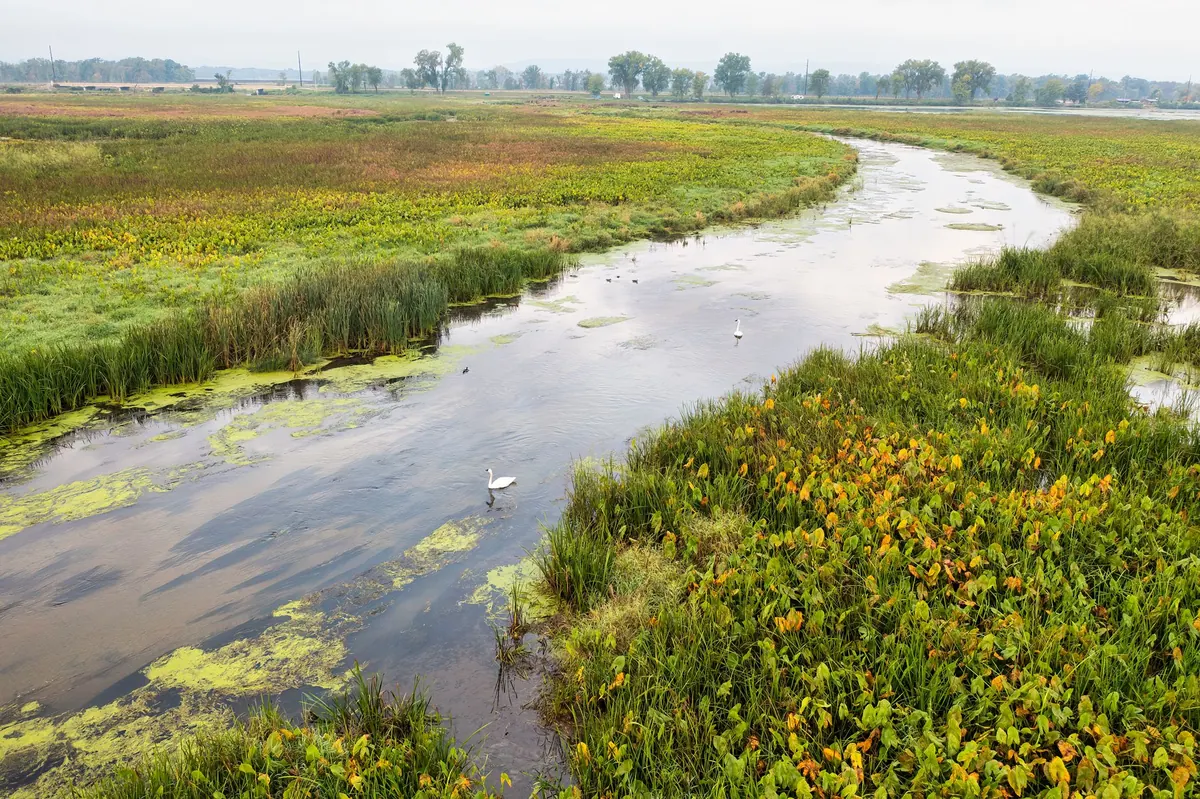
Restored wetlands across the UK reveal what long-term heron counts can show — where conservation is working, where...
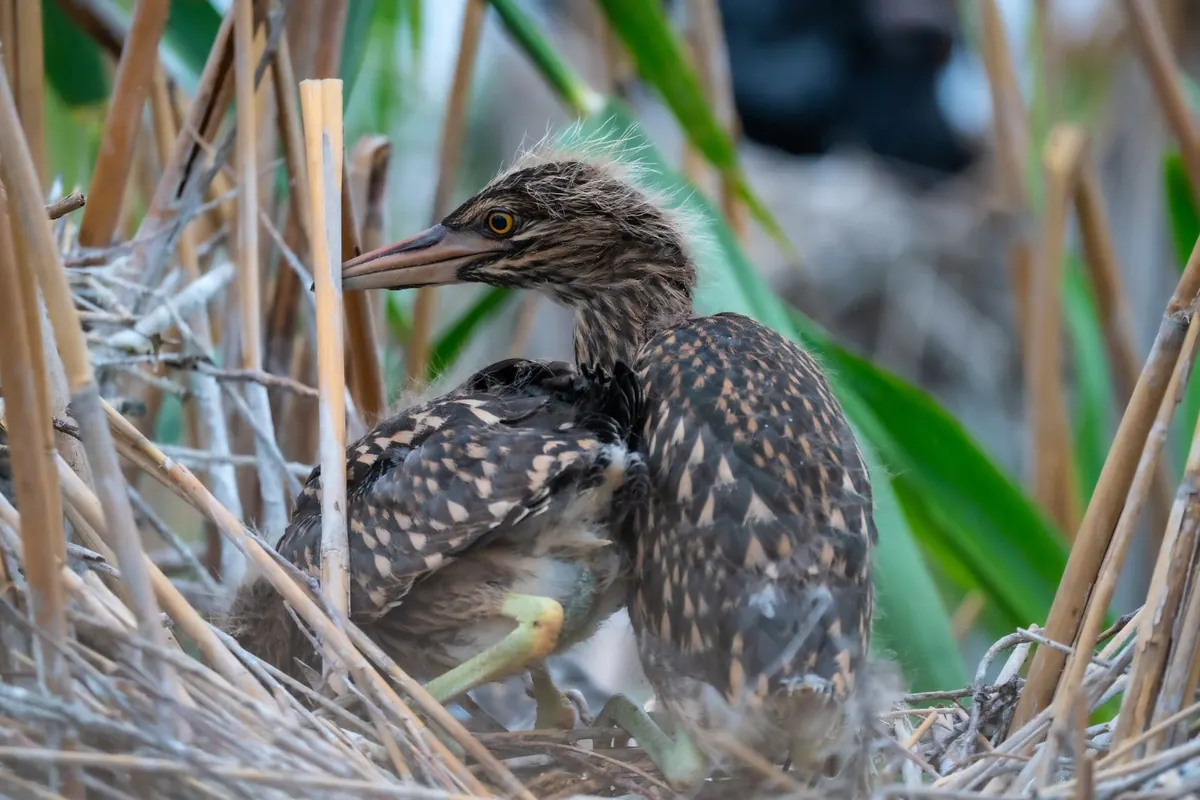
Both herons and rooks nest in noisy tree colonies, but the clues are easy to read once you know what to look for....

Exploring herons, wetlands, and wild science..
