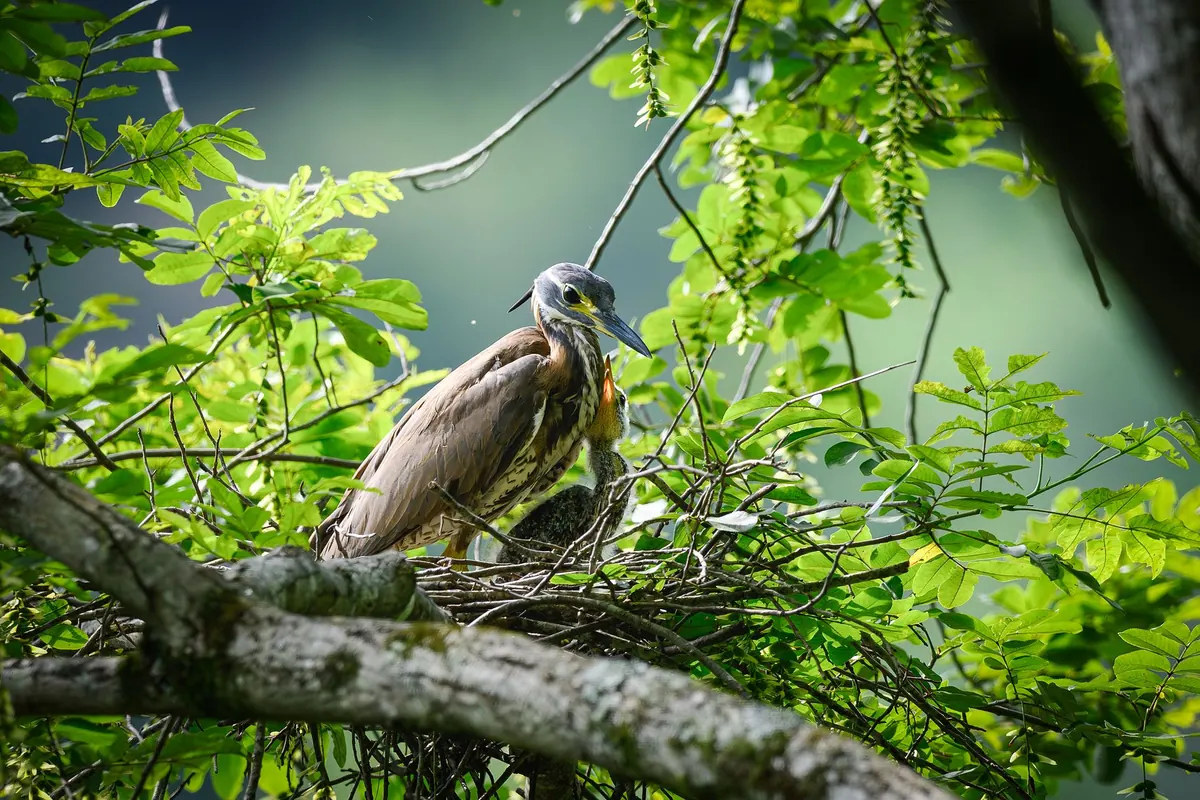
Grey herons are with us all year, which is exactly why they get overlooked. The bird standing in a ditch in February is not doing the same thing as the one hunched over a garden pond in July, and a heron at the edge of a reservoir in November may not be a local bird at all. Once you know the annual cycle, heron watching stops being a matter of luck. You begin to know where to go, when to go, and what the birds in front of you are likely to be up to.
This is the quiet start of the heron year, and for many people the best time to see herons behaving like a colony rather than a lone hunter. From mid-January, adults begin returning to traditional heronries — often the same stand of tall trees used for decades, occasionally right beside a town park or a busy road.
Look for birds standing on nests, birds carrying sticks, and short chases and squabbles over the best positions. Pairs re-form. In mild winters some birds will be sitting on eggs by late February, though a cold snap can push things back by a week or two.
A word of care: heronries are sensitive places. Watch from a footpath with binoculars or a long lens, keep your distance, and never walk in towards a nesting tree to get a better view.
By March the heronry is noisy and busy. Eggs are incubated for roughly twenty-five days by both adults, and because laying is staggered, a single nest can hold a tiny pink chick and a much larger sibling at the same time. That size difference matters — the older chick usually takes the lion's share of the food.
Feeding flights become obvious now. A heron heading out to fish flies with steady, deliberate wingbeats and its neck folded back into a compact S shape. It is a very different silhouette from a cormorant, which flies with its neck stretched out ahead of it.
Through May the chicks grow quickly and demand more. Both adults are now on the move almost constantly, working local rivers, canals, lakes, marshes, estuaries and, if you live in a town, garden ponds. A heron that has found a reliable pond will often return to it day after day, sometimes at the same hour.
Young birds leave the nest at roughly seven to eight weeks old, though they loiter around the heronry for a while afterwards. By June you may see scruffy, gawky young herons perched awkwardly in trees, still begging for food from any adult that passes.
If a heron is visiting your pond, the dependable deterrents are physical ones: a net, taut lines, or a steep drop at the edge instead of a shallow shelf where a bird can wade. Herons are patient, and a plastic ornament rarely makes much difference for long.
Breeding winds down and the adults start to look tatty as they moult, with gaps in the wing feathers and a general air of having had enough. Meanwhile the young birds are on the move, drifting away from the heronry in search of water with fewer competitors.
Juveniles are worth learning to recognise. They are duller than adults, with a grey-brown crown, no black crest plumes and a yellowish bill rather than the orange of a breeding adult. They are also less wary, turning up in odd places: roadside ditches, small garden ponds, the middle of a paddock. This is the point in the year when you can start counting rather than just watching, because roost numbers begin to creep up as young birds join established gathering sites.
Dispersal peaks in early autumn. Some young herons travel a long way; plenty stay within the general area, quietly occupying the same stretch of river they were raised beside. Autumn also brings birds across from the continent, and the numbers wintering in Britain build through October and November.
Look for groups rather than single birds. A dozen herons spread along a tidal creek or a flooded meadow is a normal autumn sight, even though herons are not truly sociable. They simply tolerate each other when food is concentrated in one place.
Communal roosts are the winter spectacle. Herons gather in tall trees near water — sometimes a handful of birds, sometimes dozens — arriving from about an hour before dusk, singly or in twos and threes. They settle with a little squabbling and are gone again before first light. Watching a roost build is one of the easiest pieces of winter birdwatching there is, and it needs nothing more than a viewpoint and patience.
When the weather turns hard, feeding shifts. Frozen ponds push birds onto rivers, tidal creeks, springs and any stretch of water that keeps moving. That is when you get unusual concentrations: herons standing on ice, queueing up at a small unfrozen gap.
You do not need much kit for any of this — binoculars, warm clothing and a notebook will do. What matters is repetition. Try this:
Do this for two years and you will have something no book can give you: a local picture of how herons use your patch, and a quiet sense of exactly which week the year turns.
Photo: Bitnik Gao / Pexels
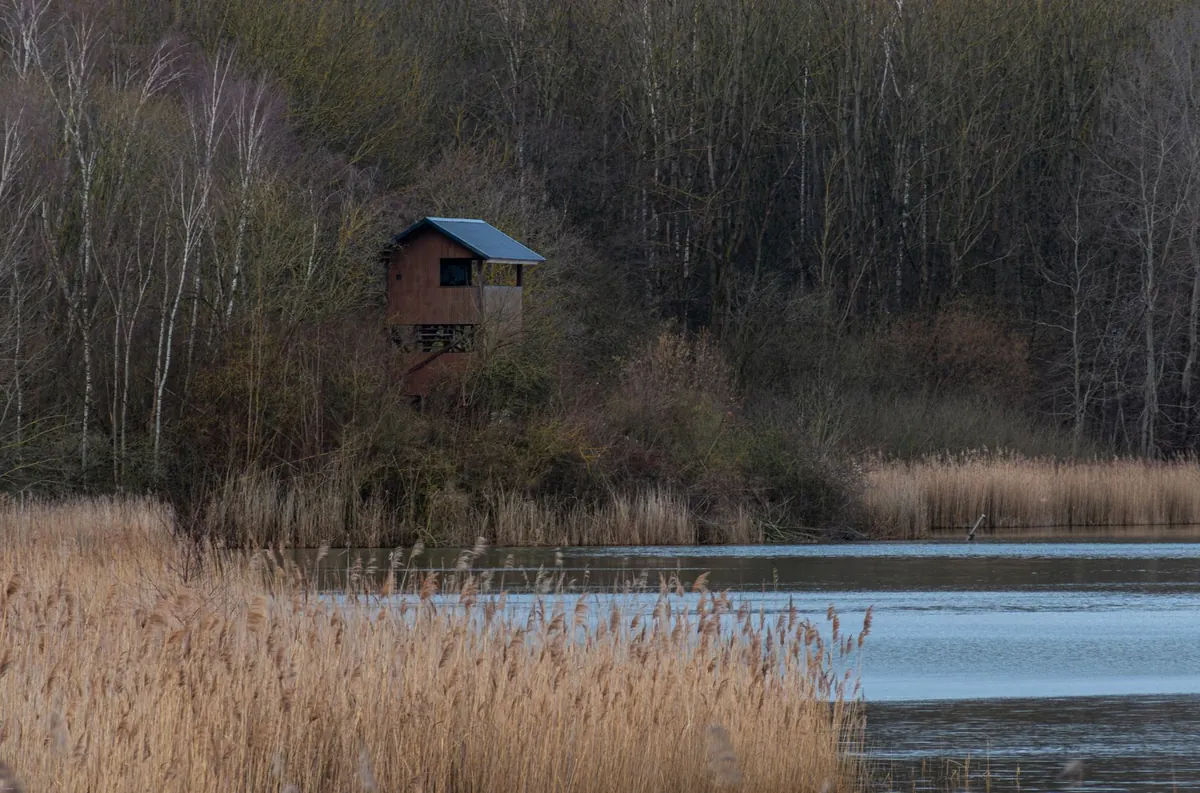
A practical, ethics-first guide to ten UK wetlands where grey herons, little egrets and bitterns can be watched...

A practical, standardised checklist for recording heron behaviour — from foraging strikes to dusk roost counts — so...
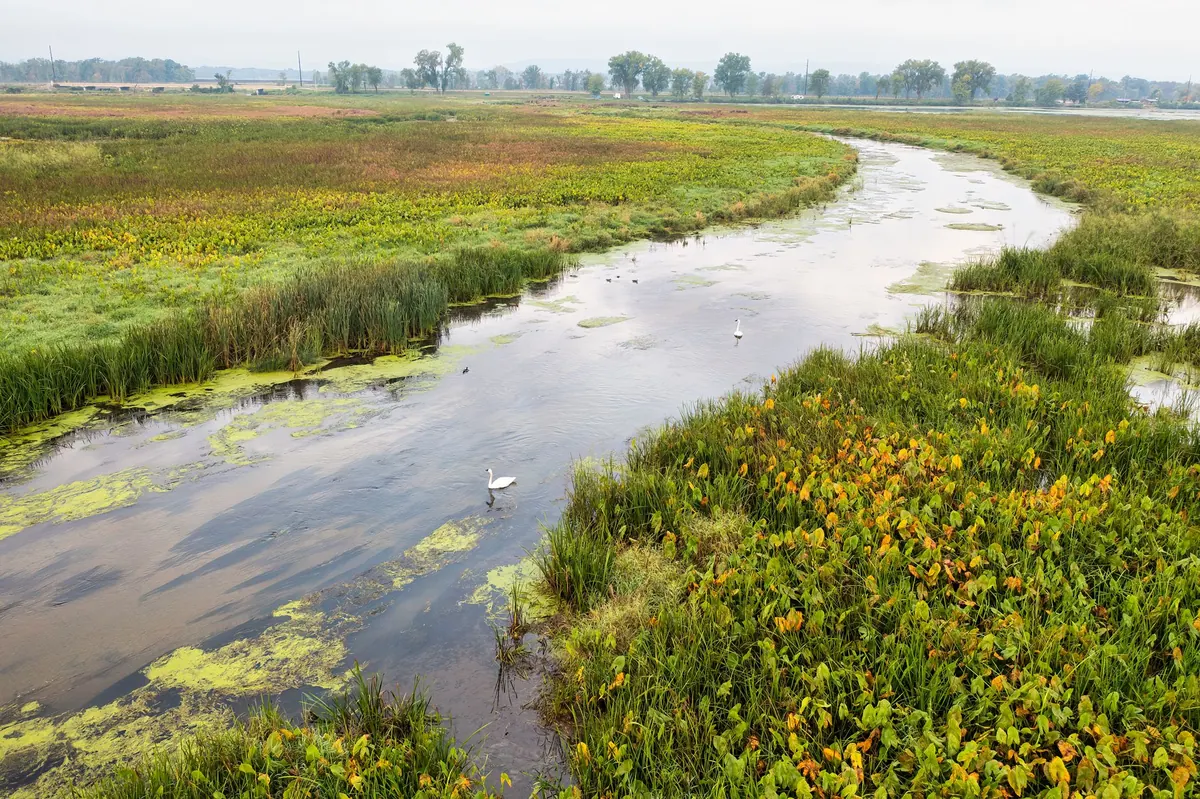
Restored wetlands across the UK reveal what long-term heron counts can show — where conservation is working, where...
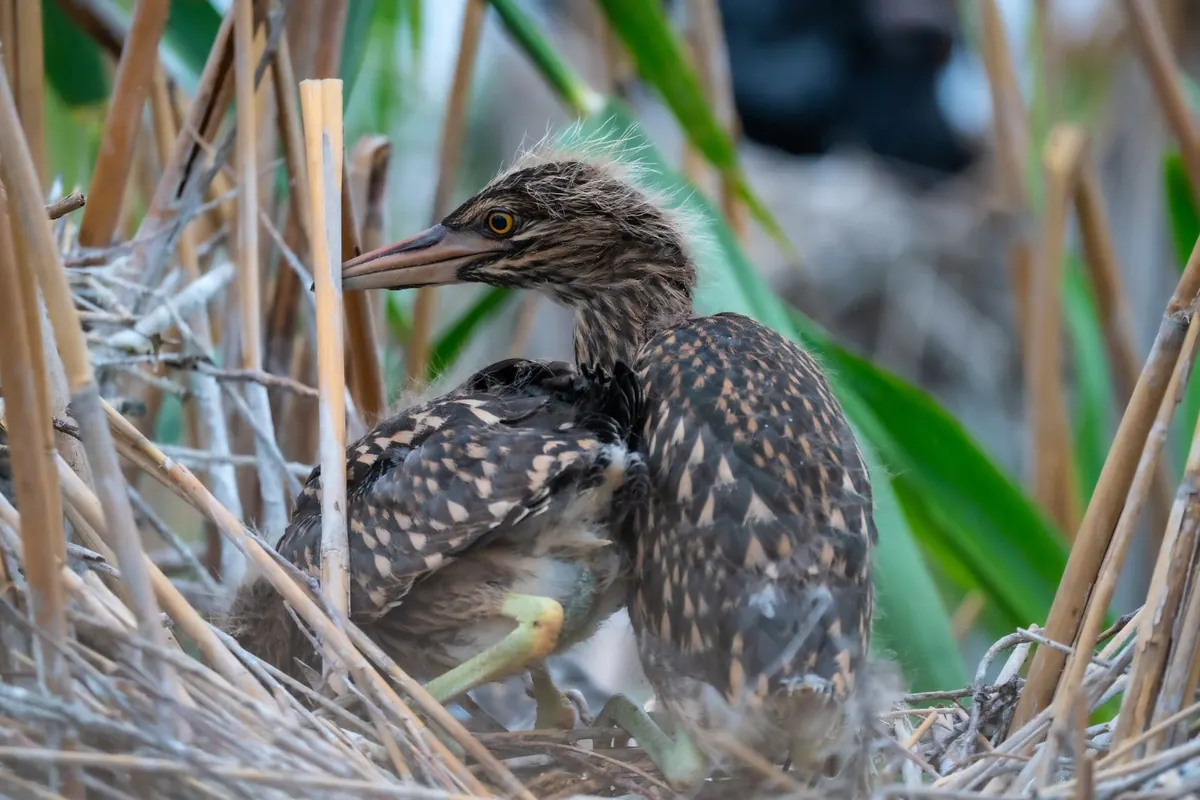

Exploring herons, wetlands, and wild science..
