A grey heron can stand in the shallows for twenty minutes without moving a feather, and still notice you before you notice it. That is the first thing worth knowing. The second is that herons are not shy in the way a warbler is shy. They are patient ambush hunters, and a quiet, still observer can get surprisingly close. Push past their limit, though, and the bird is gone — sometimes to the next pool, sometimes to the next parish.
Good heron watching is less about tricks and more about giving the bird the choice to stay. These are the habits that make that happen.
The grey heron is the one you will meet most often: tall, hunched, blue-grey, with a long yellow bill and a well-known taste for garden ponds. Little egrets fish the same estuaries and marshes, and great white egrets now turn up regularly on larger wetlands. Bitterns hide in reedbeds and are genuinely hard to see.
Species matters less than the individual's history. A heron that hunts a busy park lake, where joggers pass within a few metres, will let you stand at ten. A heron on a quiet tributary may lift off when you appear on the far bank at eighty. Birds judge risk from experience, so before you plan anything, spend a session simply watching from a distance. Note where the bird feeds, where it loafs, and which way it leaves when something bothers it. That baseline is what you will compare against later.
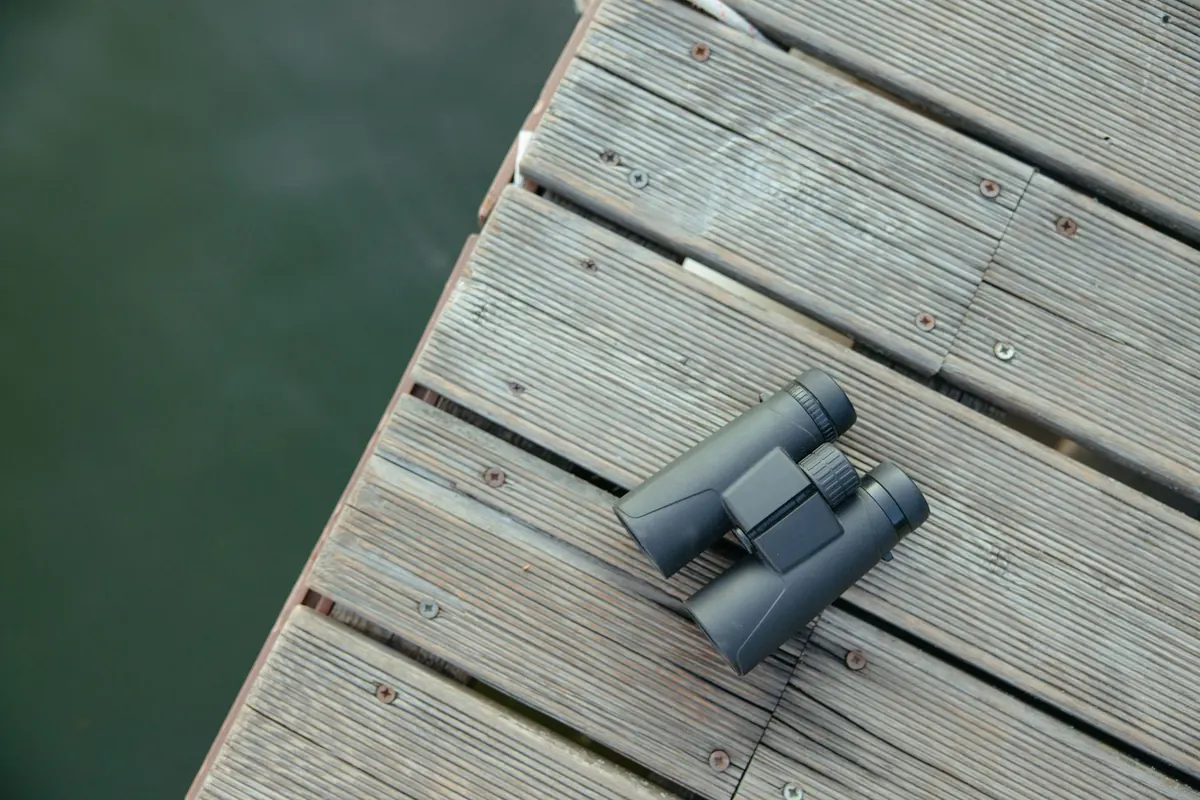
Start farther away than feels satisfying. For a feeding heron, that means at least fifty metres, and more where there is no cover between you. Use binoculars or a scope. A heron at sixty metres through decent glass is a far better view than a heron at fifteen metres through a phone camera, and only one of those ends with the bird still fishing.
If you want to close the gap, do it in stages and watch between each one. Move while the bird's head is down and its attention is on the water. Stop the moment it looks up. Wait properly — thirty seconds or a minute — until it settles back into the hunting crouch. Then take a few more steps. This slow approach can halve the distance in ten minutes, because you are never the reason the heron stopped feeding.
If a heron has abandoned what it was doing and is looking at you, you are already at its limit. Back off a couple of metres and stand still. If it resumes feeding, you have found the edge. Remember roughly where that was. It will be about the same next time, and slightly different for every bird.
Herons read movement and outline. Anything that breaks a clean horizon draws the eye, so the skyline is the worst place to be. Get a hedge, a bank, a reedbed or a tree trunk between you and the bird's line of sight. On open estuaries, where a standing figure is visible for a kilometre, this matters more than any lens you own.
Herons feed most actively in the early morning and the last hour or two of light. On estuaries and tidal rivers they follow the falling tide, working the exposed mud and shallow creeks as the water drops, then often drifting back to the same stretch on the flood. In a hard cold snap, when shallow water ices over, they feed through the middle of the day and will sometimes take small mammals on grassland.
Between feeds they loaf — standing in trees, on posts, on rooftops, hunched and still. Roosting birds are more relaxed than feeding ones, which makes them a gentler introduction to a new site. Nesting birds are a different matter entirely.
Herons broadcast discomfort well before they take off. Learn the sequence and you will rarely flush one.
If a heron does go up, resist the urge to follow. Stand still, let it settle, and give it twenty minutes of peace. Chasing a flushed bird from pool to pool ruins both your afternoon and its feeding session.
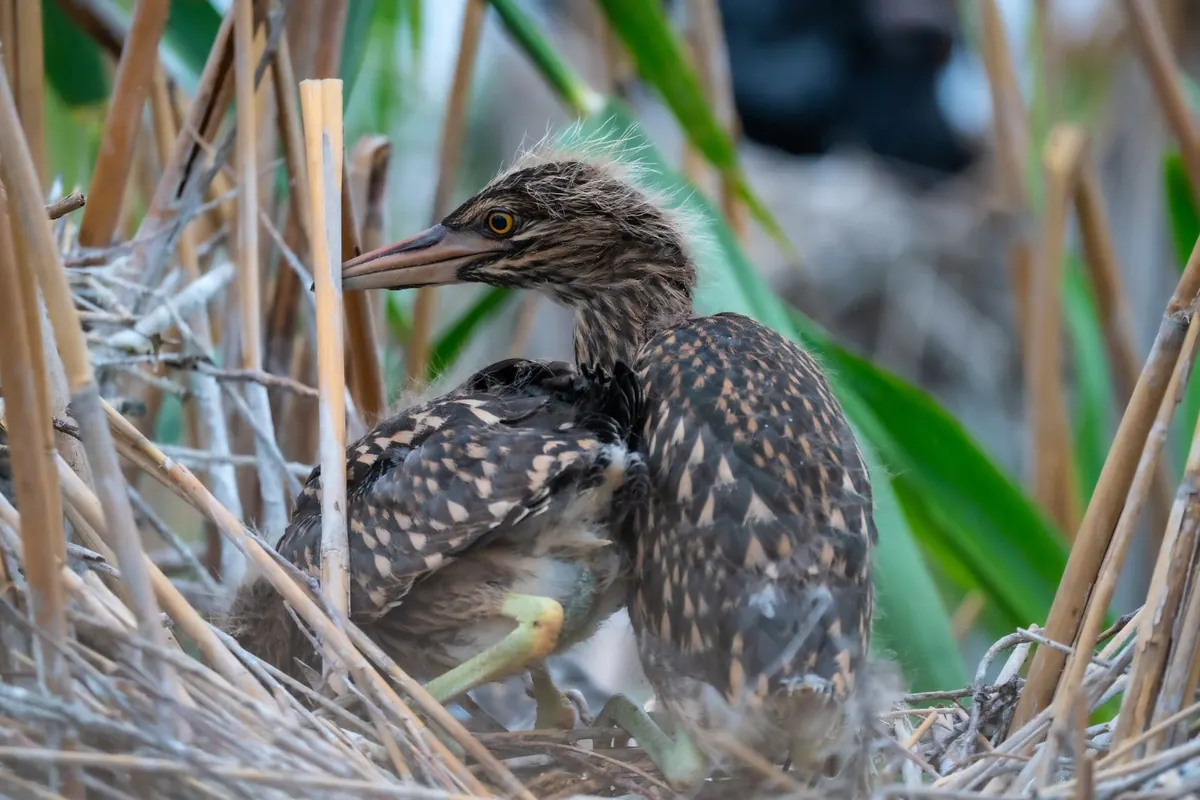
Heronries are usually in tall trees, often in loose colonies, and the birds are at their most vulnerable from late winter into spring. Disturbance at a nest can chill eggs or leave chicks exposed. In Britain, all wild birds' nests are protected by law, and some species are given extra protection against deliberate or reckless disturbance. Keep well back from any heronry — ideally out of sight of it — use a scope rather than your feet, and move away if adults start standing up and staring. If you are unsure what applies at a particular site, check the current guidance from the relevant statutory conservation body before you visit. For photographers, a long lens and patience beat a close approach every time.
Pick one quiet stretch of water near you and visit it at similar times for a few weeks. Arrive before the birds are active, settle behind cover, and stay put. Most of what you learn about a heron comes from watching it do nothing for a long stretch and then, quite suddenly, doing something precise. Keep brief notes: where each bird feeds, what distance it tolerates, how the wind and tide were running.
Take only the time you need, leave before the bird leaves, and let it decide how close you get. That single habit will repay you with better views than any amount of creeping and chasing — and the heron gets to keep fishing.
Photo: Yaroslav Shuraev / Pexels
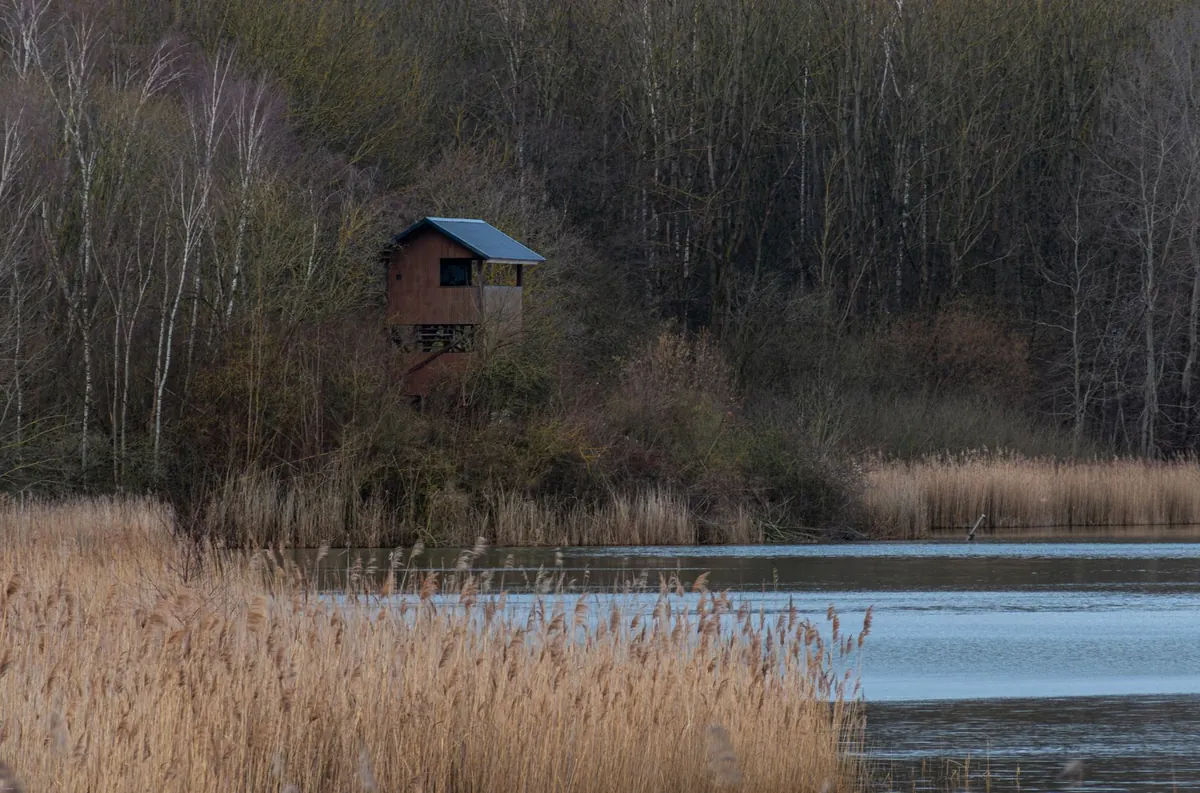
A practical, ethics-first guide to ten UK wetlands where grey herons, little egrets and bitterns can be watched...
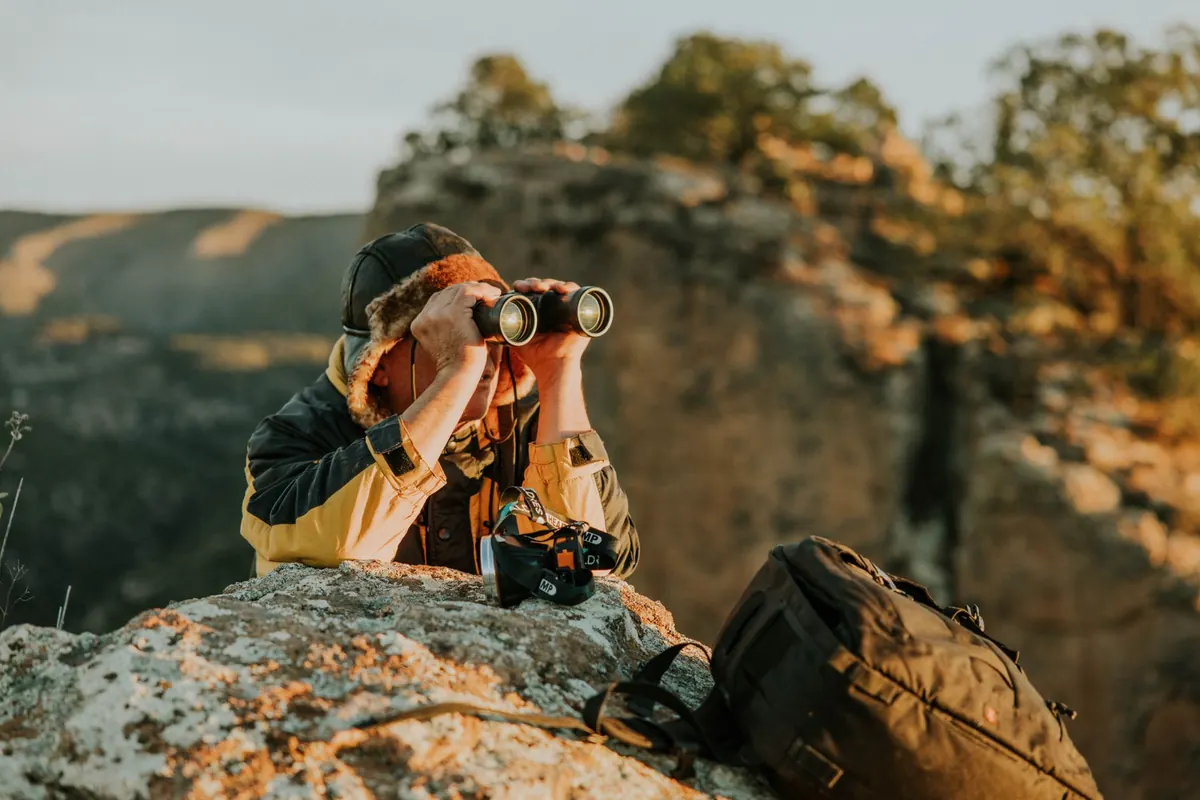
A practical, standardised checklist for recording heron behaviour — from foraging strikes to dusk roost counts — so...
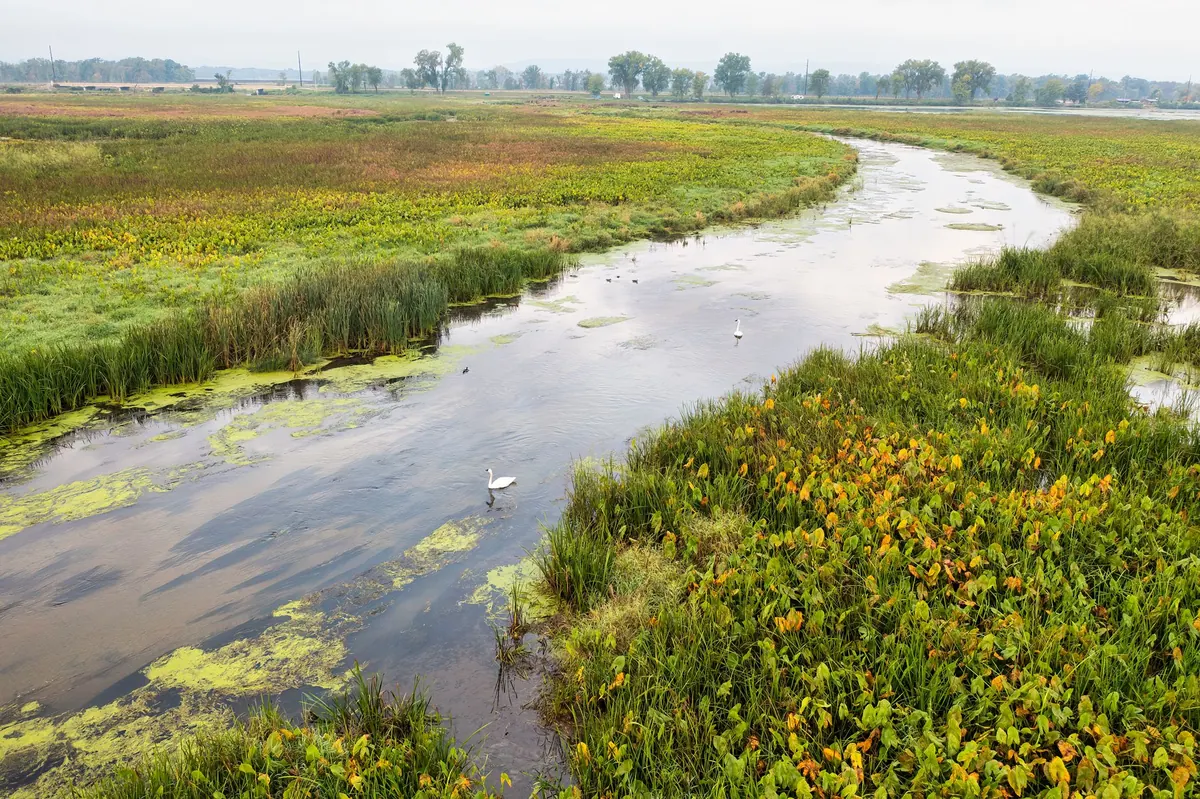
Restored wetlands across the UK reveal what long-term heron counts can show — where conservation is working, where...

Exploring herons, wetlands, and wild science..
