The first time you count herons on a marsh, you will very likely count the same bird twice. A grey heron can stand motionless for half an hour, vanish behind a reed bed and reappear forty metres away looking like a new arrival. The answer is not a sharper eye but a firmer method: fixed viewpoints, timed watches, and a notebook that records behaviour as carefully as it records numbers.
Here is a workable method for ponds, marshes, wet grassland and reedbeds. It suits one observer with binoculars and a spare morning, and it scales up to a small team covering a larger site.
Settle the question before you choose a route. Counting the birds using a site in winter is a different job from studying how herons feed along a pond edge. Write the aim at the top of your sheet — "maximum number of grey herons present at any one time", or "foraging behaviour on the north pond" — and let it govern everything else.
Be precise about the count unit, too. A "maximum simultaneous count" means the most birds you can see at one moment from one viewpoint. A "visit total" is looser and much harder to defend, because it invites double counting. If your aim is behavioural, define the unit of behaviour: one foraging bout, one strike, one prey item swallowed. Write these definitions on the sheet so a helper can follow them without asking.
Know what you are looking at, too. The grey heron is the familiar species, but little egrets are now widespread on lowland wetlands, great white egrets appear more often than they once did, and a bittern is the prize of a good reedbed. All are long-necked, long-legged and fly with slow wingbeats and trailing legs. Cormorants sit lower in the water, dive, and fly faster and straighter.
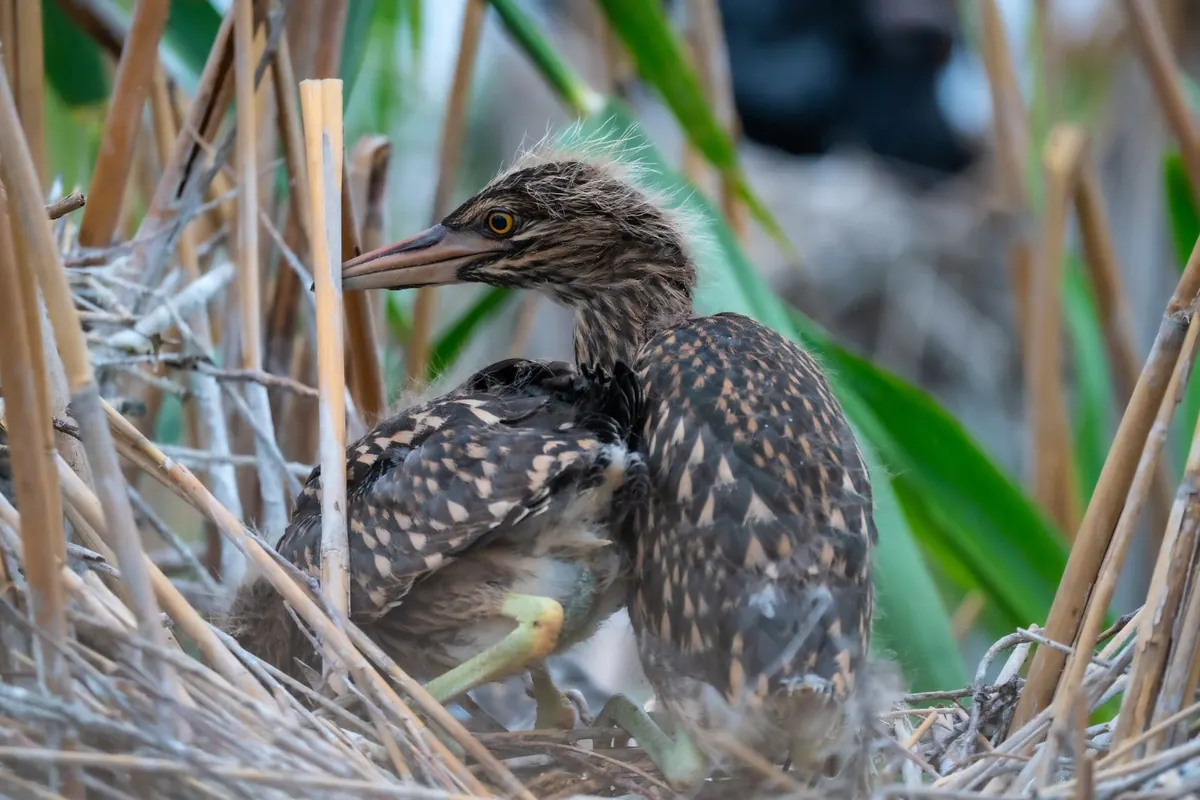
Grey herons are bulky and grey, with a heavy yellow bill and a black stripe over the eye that ends in a plume. Little egrets are smaller, whiter, with black legs and yellow feet — the "golden slippers" show well in flight. Great white egrets are larger, with a long yellow bill and black feet. Bitterns are secretive, buff-brown and streaked, and you often hear a deep boom before you see one. In flight, all herons and egrets retract the neck into a curve and trail the legs; cormorants fly with the neck straight out and legs hidden.
Carry less than you think you need:
Herons are most active in the two hours after dawn and the two hours before dusk, so a midday count will under-record feeding. Weather matters as much: heavy rain, strong wind and hard frost all suppress activity. Note conditions on every sheet so you can allow for them when comparing visits.
On estuaries and coastal grazing marsh, tide is the variable that moves birds around. Inland, water level matters: a pond drawn down by drought concentrates fish and pulls herons in, while a flooded field may scatter them. Record water level as a simple category — low, normal, high — and note any recent rain.
Season changes the question. In winter, herons often gather at communal roosts and feed alone or in loose groups by day. In spring, they return to heronries to breed, so a wetland survey may need to distinguish birds nesting in nearby trees from birds feeding on the marsh. In summer, juveniles wander widely and can inflate counts. Choose your dates to match the aim, and repeat visits at the same stage of the season if you want to compare years.
Before you count, walk the site once at the same time of day you plan to survey. Draw sectors on your map — a pond, a reedbed, a wet meadow, a ditch line — and choose two to five viewpoints that between them cover the water and the margins. A viewpoint should have a clear horizon, a landmark for orientation, and a safe place to stand off the path.
At each viewpoint, follow a fixed scan protocol. A simple one:
This stops you from wandering toward birds and pushing them into the next sector, where you will meet them again. It also gives you a defensible measure of effort: three viewpoints, four scans each, twenty minutes of watching per viewpoint.
The classic error is to count a bird, lose it, and count it again. Use landmarks to pin each bird down: "the grey heron left of the dead willow, 60 metres out" is a record; "one heron on the far side" is not. If a bird flies, note the direction and time. If you see a heron rise from behind reeds and land in open water, record it as a movement, not a new bird.
When two observers are present, split the site by sector and keep in radio or phone contact. Call out large movements — "heron flying west over the reedbed" — so the other observer can subtract it from their count if it crosses their sector. If you cannot decide whether a bird is new, write possible duplicate rather than guessing. A cautious record is easier to correct later than an inflated one.
Field notebook example: 07:10, Viewpoint B, sector 2. One grey heron, adult, standing at water's edge, 40 m, facing left. 07:22, same bird, now 15 m right, still standing. 07:35, bird flew north over reeds, lost to view.
That sequence is one bird, not three. The behaviour and timing tell you so.
Numbers alone rarely explain why a wetland matters. A pond with five herons standing asleep is different from a pond with five herons actively stabbing at fish. Record what each bird is doing at the moment you first see it, and again during your scan. Useful categories include:
If you can, note prey size and type — small fish, amphibian, mammal — even if you only see a shape. Over a season, these notes reveal which parts of the wetland are profitable and which are just resting places.
If your aim is to find out how many herons use a site, a dusk roost count often gives a higher and more stable figure than a daytime wander. Herons and egrets gather at traditional roosts in tall trees, reedbeds or islands, and birds fly in from several kilometres away.
Go early. Find the roost in daylight, choose a viewpoint at least 100 metres away so you do not disturb the birds, and settle well before sunset. Count birds as they arrive, using a clicker or tally marks on a sheet. Note the direction each bird comes from. The peak count is usually in the last half hour of light, so be prepared to stay until you can no longer see. In spring, listen for the booming of a bittern — a sound that carries a long way and can confirm a reedbed's importance even if the bird stays hidden.
Do not use a torch on the roost itself. A headtorch is for your own safe exit, not for counting.
Transcribe your sheets the same day, while the light and the birds are still fresh in your mind. For each visit, record date, start and end time, weather, tide or water level, viewpoints used, and total minutes watched. Then calculate the measure that matches your aim: maximum simultaneous count, number of foraging strikes per hour, or number of birds entering the roost.
Keep visits comparable. If you counted from three viewpoints at dawn in calm weather, do not compare that directly with a midday count from the car park. Note the differences and, if possible, repeat the survey in the same conditions. A small run of standardised visits is worth far more than a large pile of casual sightings.
Suppose you survey a 12-hectare marsh with a central pond and a reedbed. On the first visit, a dawn count from two viewpoints gives three grey herons and one little egret. A midday walk gives one heron. A dusk roost count from a nearby footpath gives five grey herons and two little egrets flying into the reedbed. Your headline figure is the roost count — seven birds — but your behaviour notes show that the pond edge is the main feeding area in the morning. That combination is the useful result: it tells a site manager where the birds feed and where they rest.
None of this requires expensive kit. It requires a clear aim, fixed viewpoints, timed watches, and notes that another person could read and trust. Do that, and your heron survey will be more than a walk with binoculars — it will be evidence.
Photo: Lauri Poldre / Pexels
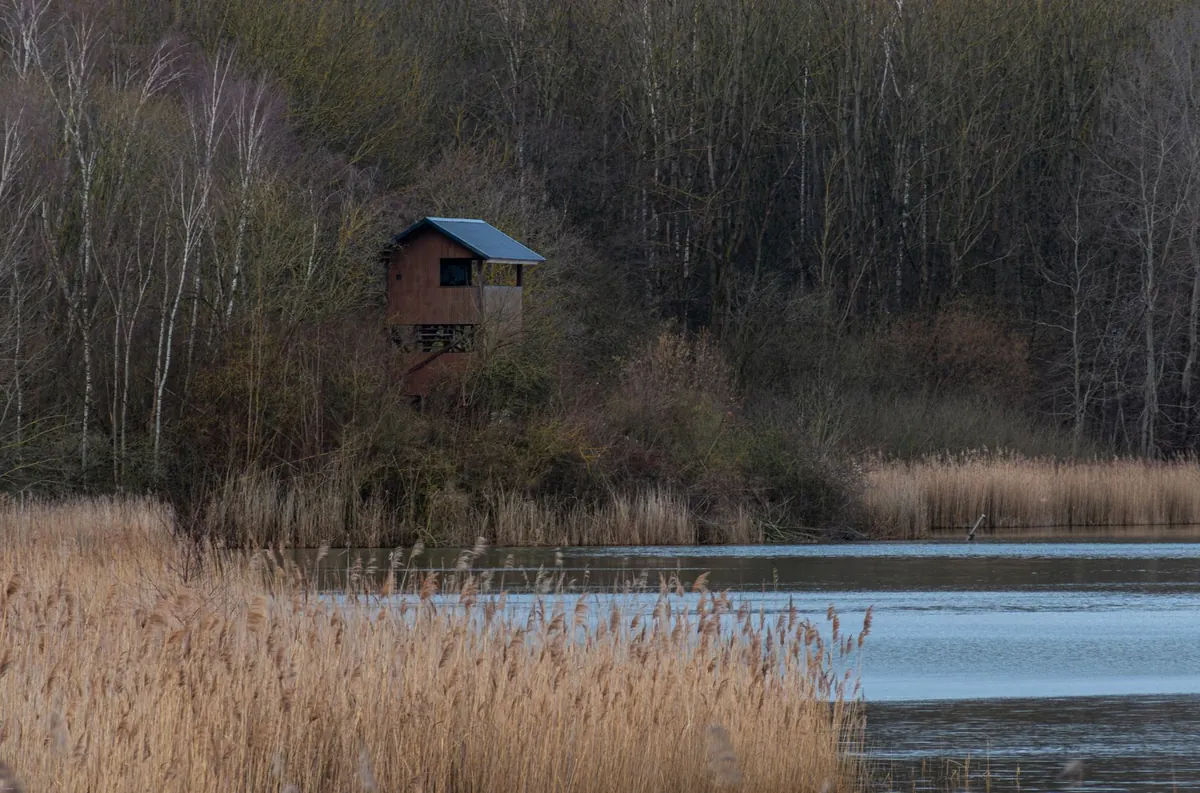
A practical, ethics-first guide to ten UK wetlands where grey herons, little egrets and bitterns can be watched...
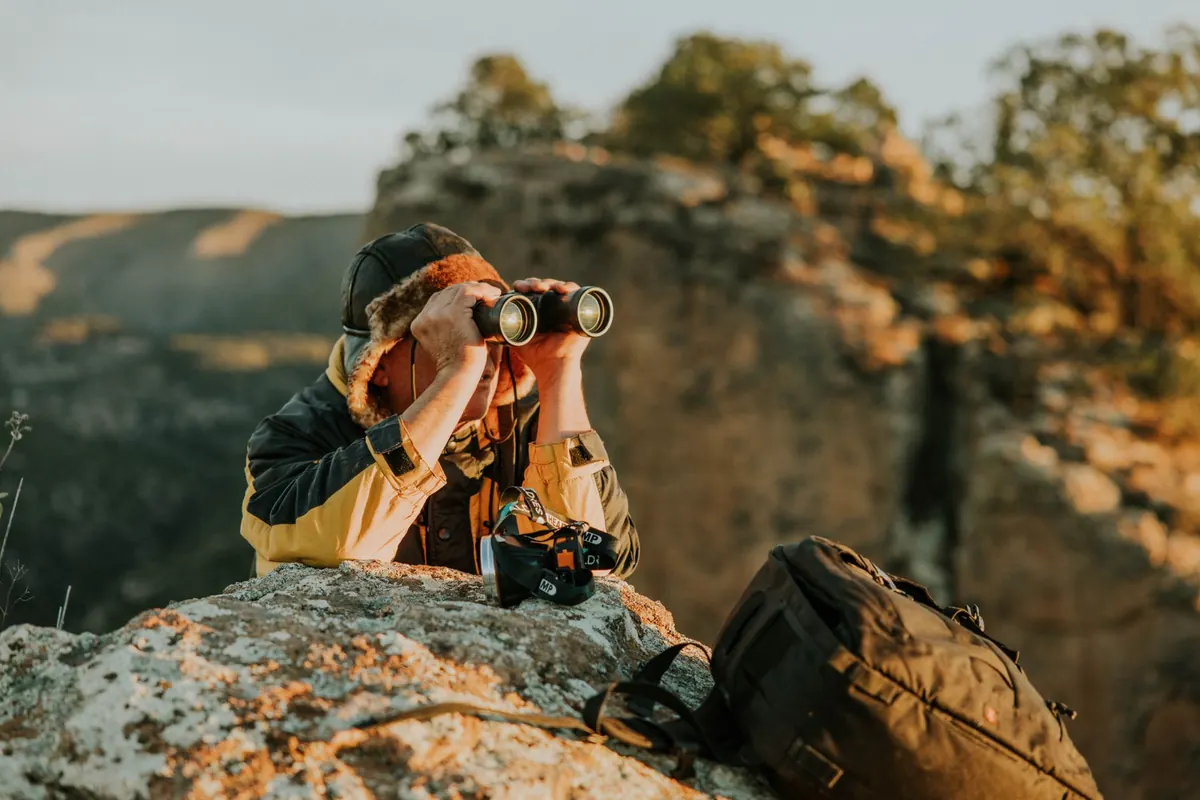
A practical, standardised checklist for recording heron behaviour — from foraging strikes to dusk roost counts — so...
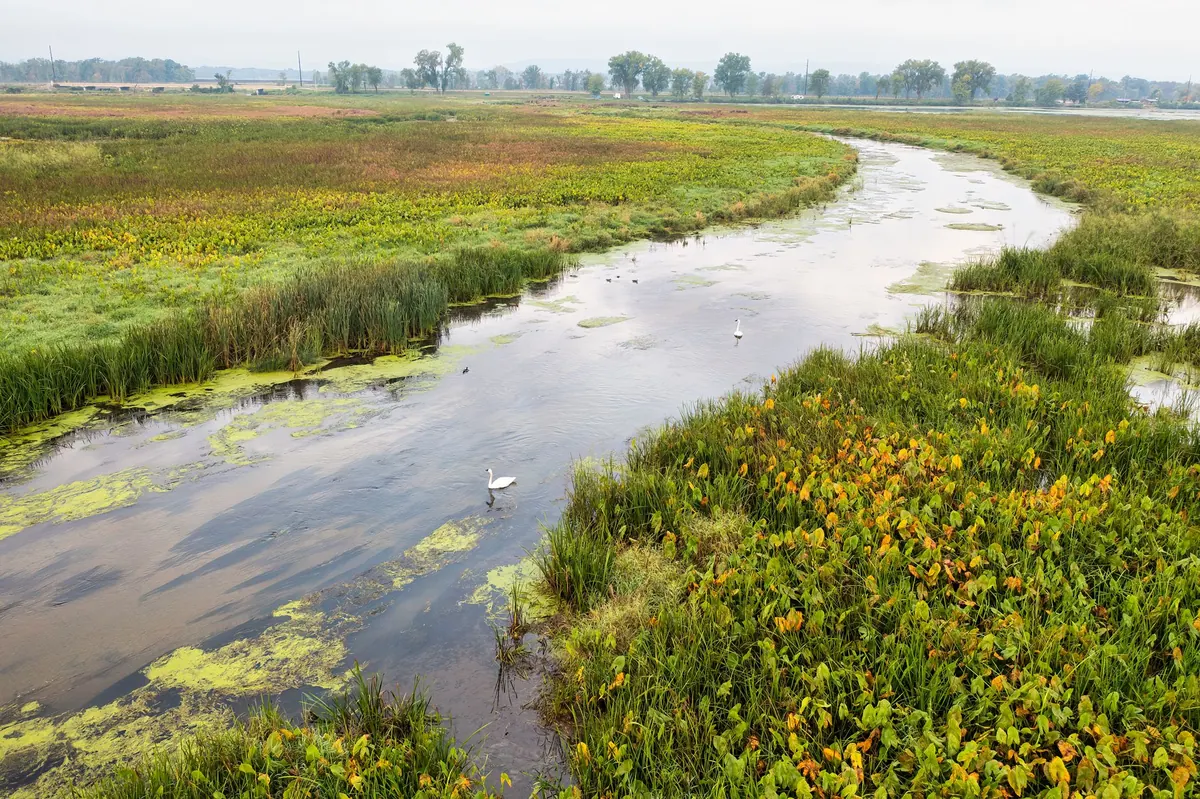
Restored wetlands across the UK reveal what long-term heron counts can show — where conservation is working, where...

Exploring herons, wetlands, and wild science..
