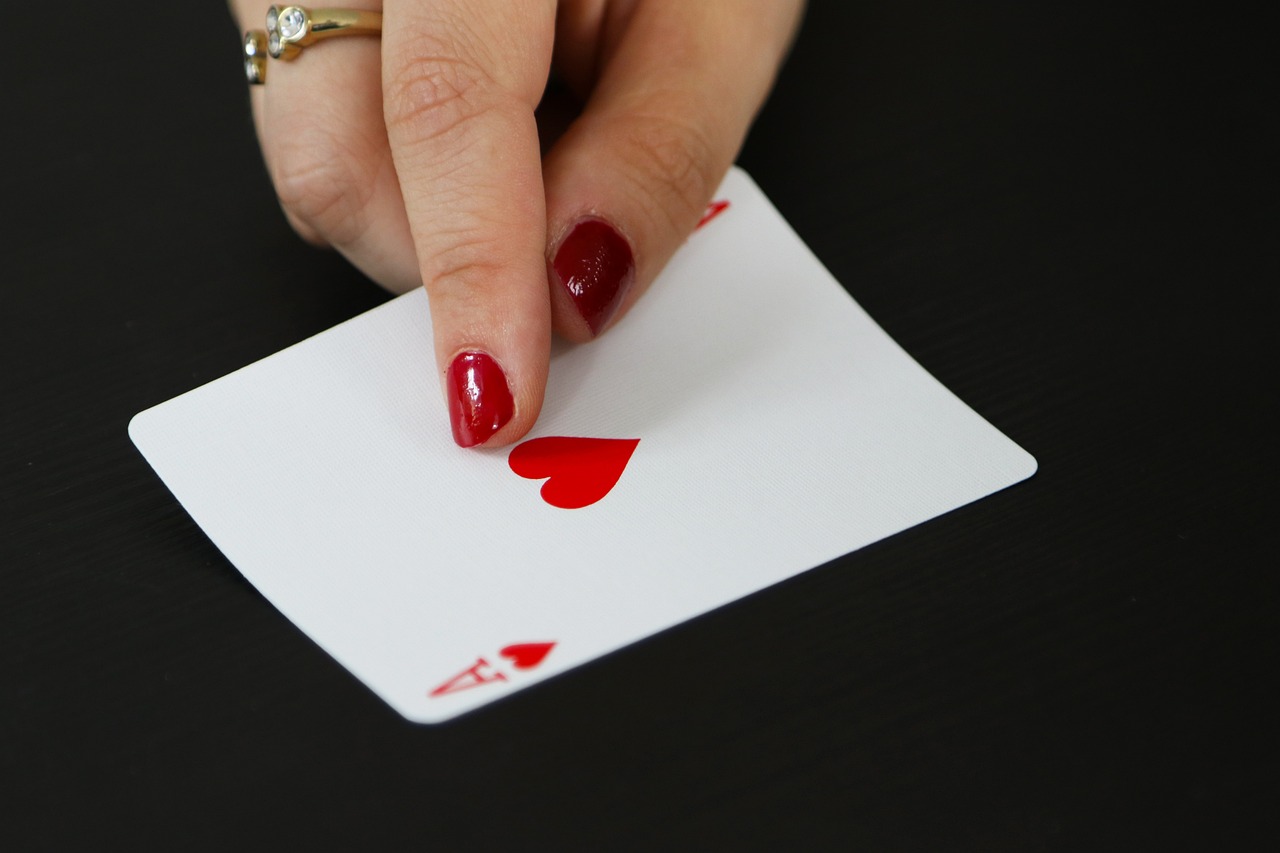
There is a specific kind of silence that falls over a poker room at 3 a.m. It is not the quiet of sleep, but the quiet of calculation. A player is staring at a 4-to-1 pot odds call with a gutshot straight draw, holding a stack that has been whittled down over six hours of play. They are not thinking about luck. They are thinking about expected value. That moment—where math meets nerve—is the true heartbeat of the iGaming world, whether you are spinning a slot reel, sweating a parlay, or three-betting light on the button.
Most people who dabble in online casinos and sportsbooks never graduate past the surface level of entertainment. That is fine. But for those who want to treat this as a craft, the path requires a shift in mindset. You stop chasing the dragon of a single big win and start managing the long game of probability. Here is how the different verticals actually work, and how to navigate them without losing your shirt. See dana slot for a side-by-side comparison.
Let’s kill a myth right away: slots are not due. A machine that has not paid out in four hours is no more likely to hit on your next spin than it was on the first. Every spin is an independent event governed by a Random Number Generator (RNG). The RNG cycles through thousands of numbers per second, and the moment you hit the button, it freezes on one combination. You cannot predict it, and you cannot manipulate it.
What you can do is understand the two numbers that actually matter:
A practical tip: if you have a $100 bankroll and want to play for a few hours, do not play a high-volatility slot at $2 per spin. The math says you will likely bust before the feature triggers. Drop to $0.20 or $0.50 per spin, or switch to a low-volatility title. The goal is to survive long enough for the variance to swing your way.
Poker is the great exception in the casino ecosystem because you are not playing against the house. You are playing against other people, and the house takes a rake. This means a skilled player can achieve a positive expected value (EV) over time. But the path is brutal.
In Texas Hold’em, the difference between a winning and losing player often comes down to hand selection and position. A common leak for amateurs is playing too many hands from early position. If you are under the gun in a nine-handed game, folding Ace-Nine offsuit is not weak; it is correct. The math of domination—where you are out-kicked by Ace-Jack or crushed by Ace-King—will bleed your stack dry.
Consider this concrete example. You hold K♠ Q♠ on the button. A tight player raises from middle position. You call. The flop comes K♦ 7♥ 2♣. Your opponent continuation-bets. You call. The turn is a blank. They bet again. What do you do? Against a tight player, that second barrel often means top pair with a better kicker (Ace-King) or a set of sevens. Your top pair with a Queen kicker is now a bluff-catcher at best. Folding here is not cowardice; it is discipline. The best poker players fold the best hand sometimes because the story their opponent is telling makes sense.
If you walk into a sportsbook and bet $50 on the Lakers because you like LeBron James, you are not betting. You are buying entertainment. There is nothing wrong with that, but professional betting is a different animal. The sharp bettor cares about one thing: closing line value (CLV).
CLV is the difference between the odds you took and the odds available right before the event starts. If you bet a team at +150 and the line closes at +130, you got a great number. Over hundreds of bets, consistently beating the closing line is the single strongest indicator of long-term profitability. It means you identified value before the market corrected itself.
How do you find that value? It usually comes from information the public ignores:
Discipline is non-negotiable. The fastest way to burn a bankroll is to chase losses with a parlay. A parlay is a lottery ticket with better marketing. Treat it as such.
Every game in the iGaming world is designed to exploit one thing: your inability to process variance. A slot player hits a 500x win and immediately increases their bet size, giving it all back in twenty minutes. A poker player loses a bad beat and goes on tilt, spewing chips with 7-2 offsuit. A sports bettor doubles their stake on a Sunday night game to “get even.”
The antidote is a pre-committed stop-loss. Before you log in, decide two numbers: your maximum loss and your target profit. If you lose the max, you log off. No exceptions. If you hit your target, you cash out and walk away. This sounds simple, but it is the single hardest habit to build. The dopamine loop of a near-miss on a slot or a bad beat in poker is designed to keep you playing. A stop-loss is your circuit breaker.
Another underrated tool is the session timer. Set an alarm for 45 minutes. When it goes off, stand up and stretch. Physical movement breaks the hypnotic trance of the screen. You will make better decisions when you return.
The difference between a gambler and an iGaming enthusiast is not the amount of money wagered. It is the intent. A gambler plays for the rush. An enthusiast plays for the edge. They track their results in a spreadsheet, not their memory. They understand that a losing session does not mean a bad decision, and a winning session does not mean a good one. Over a large enough sample size, the math always wins.
If you take nothing else from this, take this: the house always has an edge in casino games and slots. Your job is not to beat the math; it is to manage your bankroll so that the entertainment value outweighs the expected loss. In poker and sports betting, where a skilled player can actually win, your job is to study, track, and stay disciplined. The lights and sounds are designed to distract you. The money is made in the quiet moments when you fold a losing hand, skip a bad bet, or walk away from the screen while you are still ahead.
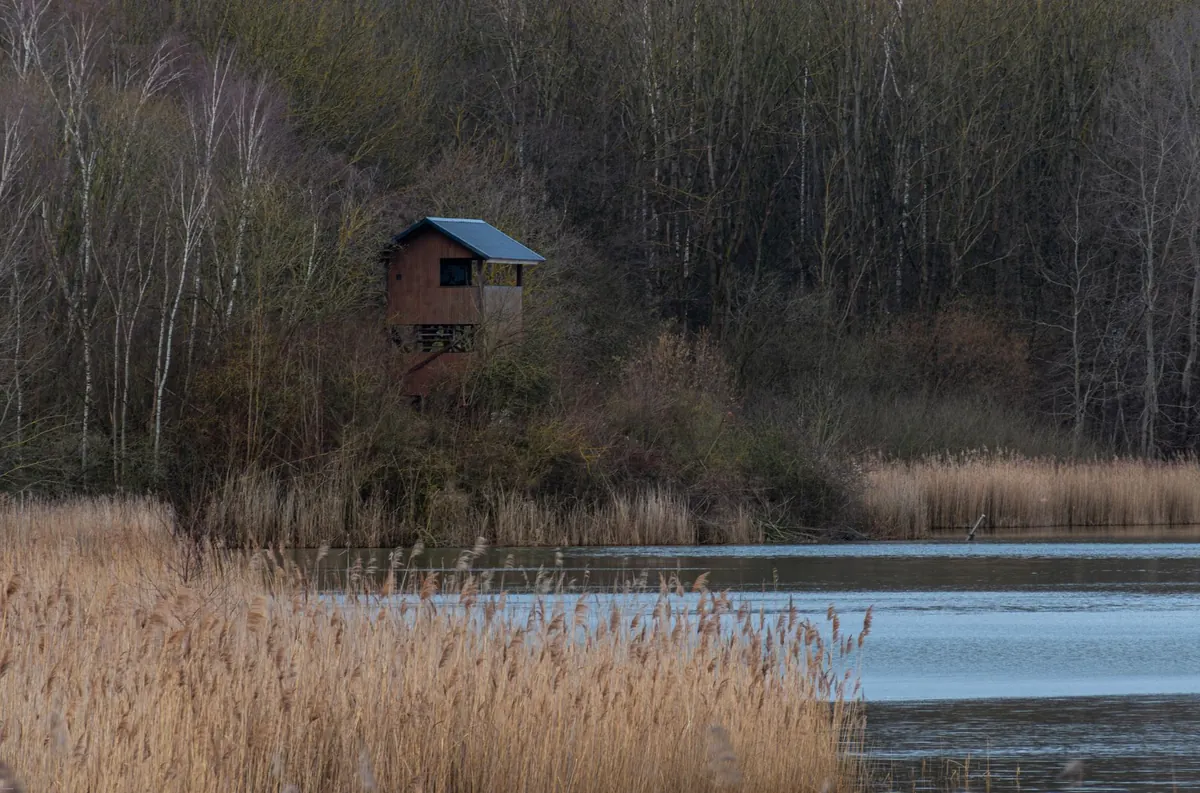
A practical, ethics-first guide to ten UK wetlands where grey herons, little egrets and bitterns can be watched...

A practical, standardised checklist for recording heron behaviour — from foraging strikes to dusk roost counts — so...

Restored wetlands across the UK reveal what long-term heron counts can show — where conservation is working, where...

Exploring herons, wetlands, and wild science..
